
The Political Issues Still Impacting Black Women in 2026: How We Organize for Our Power
Black women are stepping into 2026 with a clear understanding that the political landscape is shifting beneath our feet. The policies shaping this moment are not distant headlines, they are decisions that touch our bodies, our paychecks, and our ability to build stable lives. This piece looks at the forces reshaping our futures and the power we hold when we organize, speak up, and refuse to be pushed to the margins.
Black women have always been the backbone of American democracy. We are the organizers, the strategists, the caretakers, the cultural architects. Yet, in 2026, we are navigating a political landscape that continues to undermine our safety, our autonomy, and our economic stability. From the sweeping implications of Project 2025 to the ongoing fight for reproductive justice, the policies shaping this moment are not abstract. They are lived. They are felt. They are reshaping the daily realities of Black women across the country.
One of the clearest signs of this shift is the disappearance of more than 300,000 Black women from the workforce in 2025. That loss wasn’t accidental. It was the result of policy choices, economic pressures, and the erosion of protections that once helped us stay afloat. And the impact of that displacement is still unfolding in 2026.
This moment demands clarity, courage, and collective action. Here’s what we’re facing and how we continue to build power in the midst of it.
Project 2025 and the Restructuring of Federal Power
Project 2025 is not just a policy agenda. It is a coordinated effort to reshape the federal government in ways that weaken civil rights protections, restrict bodily autonomy, and roll back decades of progress. By the end of 2025, many of its recommendations were already in motion, and the effects are landing hardest on Black women.
The rollback of civil rights and DEI protections means fewer safeguards against discrimination in hiring, pay, housing, and education. For Black women, who already face the widest wage gaps, this deepens economic vulnerability. Attacks on reproductive rights further limit our ability to make decisions about our bodies and our futures. Narrowing definitions of gender and race threatens the safety and legal protections of Black LGBTQ+ women and girls. And weakening labor enforcement agencies leaves us more exposed to wage theft, harassment, and unsafe working conditions.
These shifts are directly connected to the disappearance of 300,000 Black women from the workforce. When civil rights enforcement weakens, when childcare becomes unaffordable, when wages stagnate, when public-sector jobs are cut, Black women are the first to feel the impact. The consequences are long-term: loss of income, loss of generational wealth, reduced access to healthcare, and shrinking representation in leadership spaces. Project 2025 is not just shaping government. It is reshaping the economic landscape Black women must survive in.
Abortion Access and the Fight for Reproductive Justice
Reproductive justice remains one of the most urgent political battles of 2026. After the fall of Roe, states with large Black populations enacted some of the harshest abortion bans in the country. Today, nearly seven million Black women live in states where abortion is banned or severely restricted.
This crisis hits Black women hardest because we already face the highest maternal mortality rates in the nation. Many of us live in maternity care deserts with limited access to OB-GYNs or birthing centers. Restrictions on medication abortion and mail-order access disproportionately affect low-income and rural Black women. And the criminalization of pregnancy outcomes increases surveillance of Black mothers, especially those navigating poverty or unstable housing.
Reproductive justice and economic justice are inseparable. When Black women lose control over our reproductive lives, we lose control over our economic futures. Many of the 300,000 Black women pushed out of the workforce in 2025 were navigating unpredictable childcare, pregnancy-related health risks, lack of paid leave, and job discrimination tied to caregiving. Abortion access is not a single-issue fight. It is a fight for our autonomy, our safety, and our ability to build stable, thriving lives.
Economic and Health Inequities Deepened by Policy
Black women have always worked. We have always carried more than our share. But in 2026, the economic landscape is even more precarious.
We are still navigating wage gaps that have barely moved in decades. Cuts to public health funding reduce access to preventive care and culturally competent providers. Environmental rollbacks increase pollution in Black neighborhoods, worsening asthma, cancer risks, and chronic illness. Threats to SNAP, Medicaid, and childcare subsidies destabilize families who already carry the weight of caregiving and community support.
The racial wealth gap continues to increase debt burdens, and pushed more families into housing insecurity. It has also reduced the number of Black women in leadership pipelines, which means fewer of us in rooms where decisions are made. This is not just an economic issue. It is a political one. Policies created the crisis. Policies can also undo it.
How Black Women Can Stay Involved and Make Our Voices Heard
Even in the face of systemic barriers, Black women have always organized, strategized, and led. Our power is collective, cultural, and deeply rooted. And in 2026, our voices matter more than ever.
Staying informed is a form of protection. Following Black-led policy organizations, hosting political check-ins with friends, and sharing resources in our group chats and community spaces helps us stay grounded in the truth of what’s happening around us.
Voting in every election, especially local ones, is essential. Local governments determine abortion access, school curriculum, policing, housing, and public health funding. These decisions shape our daily lives more than most federal agencies ever will.
Supporting Black women–led advocacy organizations strengthens the work happening on the ground. Groups like In Our Own Voice, Black Women’s Health Imperative, SisterSong, and local reproductive justice collectives are fighting for our safety and our futures.
Contacting representatives is still one of the most effective tools we have. It takes minutes to call or email and say clearly that you oppose policies restricting reproductive freedom, that you support civil rights protections, and that you expect your leaders to protect Black women’s health, safety, and economic stability.
Finally, building community power is how we’ve always survived. Civic circles, town halls, voter registration drives, mutual aid networks, mentorship for younger Black girls stepping into their political voice, these are the spaces where our power multiplies.
Black women have always been the architects of change. We don’t wait for permission. We build the world we need.
What are some of the political concerns you have for 2026 and how is it impacting your friends, family, and neighborhoods?
When Hunger Is Political: Trump’s Attack on SNAP Is an Attack on Us
The Trump administration just tried to block full SNAP payments—again. This isn’t a budget issue. It’s a calculated attack on Black women, caregivers, and working-class families who rely on food assistance to survive. While they play politics with our plates, The Good Girl Movement is showing up with groceries, resources, and truth. Because when they try to starve us, we feed each other.
Tonight, while families were figuring out how to stretch groceries through the weekend, the Trump administration was busy trying to snatch food off our tables. Again.
After a federal judge ruled that the government must issue full November SNAP benefits—because yes, people are hungry and the shutdown is still hurting.. Trump’s team filed an emergency appeal to overturn the decision. Let’s be real: this isn’t about budgets. It’s about control. It’s about cruelty, and it’s about punishing the people who’ve always carried this country on our backs.
We’re talking about Black people. Black women. About single mothers. About grandmothers raising grandbabies. About students, caretakers, and essential workers who are expected to survive on scraps while billionaires get tax breaks and bailouts. About anyone who does not fit into the mold of white supremacy.
This isn’t just policy. It’s violence.
What Trump’s SNAP Attack Really Means
It means millions of families, disproportionately Black and brown, could go without food this month.
It means Black women, who are more likely to be heads of household and caregivers, are once again being told our survival is optional.
It means the government is willing to let children go hungry to prove a political point.
What The Good Girl Movement Is Doing
We’re not just mad, we’re mobilizing. We’ve updated our SNAP Benefits Resource List with:
Emergency food access programs
Black-owned grocers and co-ops
Advocacy contacts to demand accountability
What We’re Calling In
We’re not just reacting. We’re reclaiming—and we’re showing up.
We demand care that doesn’t come with conditions. Our communities deserve full benefits, full dignity, and full protection—no exceptions.
We build our own safety nets. From our SNAP Benefits Resource List to our Civic Circles, we’re creating what the government refuses to provide.
We center Black women’s survival as non-negotiable. Not just in policy, but in practice. In every room, every budget, every decision.
We move with urgency and intention. This isn’t charity. It’s strategy. It’s legacy. It’s love.
And tomorrow, we’re serving our people. The Good Girl Movement will be distributing groceries to families in DC, because when Trump tries to starve us, we feed each other. We show up. We pour back. We protect what’s ours.

The Silencing of a Generation: Why Teen Vogue’s Politics Layoffs Are a Step Backward
The decision to eliminate Teen Vogue’s politics team amid its merger with Vogue isn’t just a staffing change, it’s a silencing of young, progressive voices. For years, Teen Vogue empowered women aged 17 to 30 with political education, cultural critique, and unapologetic advocacy. In a time when right-wing media spreads prejudice and misinformation, and young women are seeking spaces to learn, lead, and be heard, this move feels like a step backward. It’s more than a loss.. it’s a warning.
The recent decision by Condé Nast to lay off Teen Vogue’s politics staff amid its merger with Vogue.com marks a troubling shift in youth-centered journalism. Teen Vogue, once heralded as a bold and progressive publication that bridged the gap between fashion and political consciousness, is now being absorbed into a brand that has historically prioritized luxury over activism. This move not only eliminates a vital editorial team, it signals a broader cultural dismissal of young voices, particularly those of women aged 17 to 30, who have relied on Teen Vogue as a space for education, empowerment, and representation.
A Platform That Dared to Educate
Teen Vogue’s transformation over the past decade was nothing short of revolutionary. It evolved from a conventional teen fashion magazine into a publication that unapologetically tackled issues such as systemic racism, reproductive rights, climate justice, and LGBTQ+ advocacy. It became a trusted source for young readers seeking to understand the world around them, offering accessible, nuanced coverage of public policy, history, and social movements. While they didn’t always get it right, it opened the door for many conversations that otherwise wouldn’t have been had on that platform.
The politics desk played a central role in this evolution. It provided critical analysis, amplified marginalized voices, and created space for young journalists to write about the issues that mattered most to their generation. Teen Vogue’s political coverage was not an accessory to its brand, it was its backbone. Removing this team strips the publication of its most vital function: educating and empowering young women to engage with civic life.
The Impact on Young Women and Marginalized Communities
The decision to eliminate Teen Vogue’s politics team comes at a time when young women, especially Black, brown, queer, and trans women, are facing unprecedented challenges. From rising book bans and attacks on reproductive rights to the spread of disinformation and the rollback of civil liberties, the need for youth-centered political journalism has never been more urgent.
Teen Vogue was one of the few mainstream platforms that spoke directly to these communities. It offered stories by and for young people, creating a sense of belonging and validation that is often missing in traditional media. The loss of this editorial team means fewer opportunities for young women to see themselves reflected in political discourse. It means fewer chances to learn about public policy in language that resonates. It means fewer pathways into journalism for those who have historically been excluded.
This decision also coincides with a missed opportunity for Vice President Kamala Harris to ascend to the presidency—a moment that could have symbolized progress for women in leadership. Instead, the media landscape is contracting, and the voices of young women are being pushed further to the margins.
A Dangerous Precedent in Media Consolidation
The merger with Vogue.com is emblematic of a larger trend in media consolidation, where youth-focused and progressive outlets are absorbed into more commercial entities. This often results in the dilution of editorial independence and the erasure of radical voices. Vogue, while influential in fashion, has not demonstrated a commitment to the kind of political engagement that Teen Vogue championed. The merger raises serious concerns about the future of youth journalism and the editorial freedom of writers who seek to challenge the status quo.
By prioritizing profitability over purpose, Condé Nast is setting a dangerous precedent. It suggests that political education for young people is expendable, that the voices of emerging generations are less valuable than brand alignment, and that the pursuit of justice can be sidelined for the sake of corporate synergy.
What This Means for the Future
The layoffs at Teen Vogue are not just a staffing decision, they are a cultural statement. They reflect a media environment that is increasingly hostile to youth-led activism and progressive thought. For young women who aspire to become policy makers, historians, or journalists, the loss of this platform is a setback. It removes a critical space where they could learn, grow, and contribute.
Without platforms like Teen Vogue’s politics desk, the burden of political education falls heavier on grassroots organizations, independent media, and social networks, spaces that are often underfunded and vulnerable to censorship. The absence of institutional support for youth journalism means that the next generation will have fewer tools to navigate an increasingly complex world.
A Call for Accountability and Action
This moment demands reflection and response. Media companies must be held accountable for the decisions they make and the communities they impact. The silencing of young voices cannot be normalized. Instead, it must be challenged with renewed investment in youth-led media, mentorship for emerging journalists, and platforms that prioritize education over entertainment.
Teen Vogue’s politics team may no longer have a seat at the table, but their legacy endures. The stories they told, the movements they supported, and the readers they inspired will continue to shape the future. It is now up to the rest of the media ecosystem—and to all of us—to ensure that young women are not just seen, but heard.
BLACK GIRLS ARE NOT THE BUTT OF YOUR RACIST JOKE
When a Black girl is called a slur and people laugh, it’s not just a joke, it’s violence. It happens to Black women every day. These moments aren’t isolated; they’re part of a long legacy of dehumanization, silence, and complicity. We’re done tolerating harm disguised as humor. We’re calling it out, de-platforming it, and protecting Black girls at all costs. Because we are not your punchline — and we never were.
We’re Not Laughing — We’re Tired
There’s a moment that many Black girls know too well: the room goes quiet, someone says something racist, and then — laughter. Not just from strangers, but from peers. From people who claim to be allies. From people who should know better.
Recently, Olandria Carthen, Love Island breakout star, was laughed at after being called a racial slur on someone else’s live. We will not name the individual who laughed — because they do not deserve our platform, but we will name the harm. What happened was not just inappropriate. It was violent.
While this happened to Olandria, it happens to Black people, and especially Black women — every single day. In classrooms, on social media, in workplaces, in friend groups.
The question is: when is enough enough?
Racist jokes are not only harmful, they are rooted in centuries of dehumanization, and when you laugh at them, or stay silent, you become complicit in that harm. For Black girls and women, these moments are not isolated. They are part of a long history of being stereotyped, dismissed, and disrespected.
This post is not a request for kindness. It’s a demand for accountability. Because Black girls are not the butt of your joke. We never were.
The History Behind the Slurs
The N-word is not just a word. It is a weapon forged in slavery, sharpened during Jim Crow, and still wielded today. It was used to dehumanize, to justify violence, to strip Black people of dignity and identity. For Black women, the slur carries an added layer of misogynoir. The intersection of racism and sexism that uniquely targets us.
Historically, Black women were labeled with slurs and stereotypes to justify their exploitation. These weren’t just insults, they were and still are tools of control.
“Breeders”: During slavery, Black women were reduced to reproductive property. They were not seen as mothers, but as vessels to produce more enslaved laborers. Their bodies were commodified, their autonomy erased, and their humanity denied. This legacy still echoes today in how Black women’s reproductive choices are policed and pathologized.
“Wenches”: This term referred to young Black women who were hypersexualized and often targeted for sexual violence. It was used to justify rape and exploitation by framing Black women as inherently promiscuous and available. This stereotype laid the foundation for the “Jezebel” trope, a myth that still influences how Black women are treated in media, healthcare, and the justice system.
“Mammies”: The mammy stereotype depicted Black women as loyal, nurturing, and self-sacrificing caretakers of white families. It erased our autonomy and reduced us to labor and emotional support for everyone but ourselves. It reinforced the idea that Black women exist to serve, not to be served — a narrative that still shows up in workplaces, friendships, and activism spaces.
These terms weren’t just offensive. They were functional. They shaped laws, social norms, and cultural narratives that still affect how Black women are seen and treated today.
The Stereotypes That Still Harm Us
Black women are constantly navigating a minefield of stereotypes that shape how we’re perceived, punished, and policed.
The Mammy: Erases our needs and casts us as caretakers for everyone but ourselves.
The Jezebel: Hypersexualizes us and denies us protection.
The Angry Black Woman: Silences us by framing our valid emotions as aggression.
Adultification: Treats Black girls as older, less innocent, and more responsible than their peers, leading to harsher discipline, less empathy, and increased vulnerability to abuse.
These stereotypes are not relics of the past. They show up in classrooms, workplaces, hospitals, and social spaces. They shape how Black girls are treated — and how they are harmed.
Microaggressions Are Not Minor
“You’re so articulate.”
“You don’t act Black.”
“I was just playing.”
“I didn’t mean it like that.”
“Can I touch your hair?”
AND YES… LAUGHING AT SOMEONE BEING CALLED A RACIAL SLUR.
These comments and actions may seem small, and many will deem them as harmless. However, they are reminders that we are being watched, judged, and othered. They are constant signals that we are not fully accepted, that we are tolerated, not celebrated.
Microaggressions are not minor. They are cumulative. They chip away at our confidence, our safety, and our sense of belonging. And when they’re dismissed as “not that serious,” the harm is doubled.
We’re Not Taking It Anymore
We are not taking:
Your racist jokes
Your silence when harm happens
Your defensiveness when called out
Your expectation that we educate you while being disrespected
Your discomfort when we speak truth to power
We are not shrinking to make you comfortable. We are not laughing along to keep the peace. We are not tolerating harm dressed up as humor.
This space is not neutral. It is protective. It is intentional. It is ours.
De-platforming Is Accountability
Calling out racism is not enough — we must also de-platform it.
That means:
Unfollowing people who perpetuate harm
Unsubscribing from creators who mock, stereotype, or silence Black voices
Refusing to share content that uses racism for engagement
Condemning hate publicly, not just privately
Visibility is power. When we continue to give attention to people who harm Black women, we reinforce their platform. We must be intentional about where our energy, clicks, and dollars go.
If someone laughs at a slur, they are not “just messy” — they are dangerous and they do not deserve our views, our likes, or our silence.
What Accountability Looks Like
Accountability is not a performance. It’s not a rushed apology or a defensive explanation. It’s listening. It’s owning the harm. It’s changing behavior. It’s understanding that your intent doesn’t erase our impact.
If you cross the line, expect to be called out. Expect to be held accountable. Expect to be uncomfortable — because growth is uncomfortable.
And if you truly want to do better, start by supporting the work already being done by Black women and girls.
Support These Organizations
If you’re serious about change, put your money, time, and voice behind it.
The Loveland Foundation – Therapy for Black women and girls
Black Girls Smile – Mental health advocacy
The Good Girl Movement – Empowering Black girls through community and culture
Color of Change – Racial justice campaigns
Sisters Mentally Mobilized – Mental health and leadership for Black women
Final Words
Black girls deserve joy.
Black girls deserve safety.
Black girls deserve to be seen, heard, and protected.
We are not the butt of your joke. We are the backbone of this culture. And we are done being disrespected.
PS… We are riding for every black girl who has endured this type of hate.

300,000 Black Women Pushed Out.
Nearly 300,000 Black women have been pushed out of the workforce—and the silence around it is deafening. This blog is a rally cry, a strategy guide, and a love letter to every woman navigating the pivot. We name the injustice, honor the brilliance, and offer real tools for rebuilding on our terms. The Good Girl Movement isn’t watching from the sidelines, we’re building the future now.
In the last quarter alone, nearly 300,000 Black women have been pushed out of the workforce. Not by accident. Not by coincidence. But by a system that still treats our labor as expendable and our brilliance as optional.
These aren’t just numbers. These are mothers, daughters, organizers, educators, strategists, assistants, analysts, creatives, and caretakers. These are women who held up entire departments, entire communities, entire families. Now, we’re being told — quietly, cruelly.. that there’s no room.
Let’s add some truth here: Black women are the most educated demographic in America. We’ve earned more degrees, certifications, and credentials than any other group. We’ve built careers in spaces that were never designed for us. We’ve led with excellence, even when underpaid, overlooked, and overburdened.
So when 300,000 of us are suddenly “missing” from the labor force, it’s not a mystery. It’s a message.
The Message?
That DEI was never meant to be permanent (it wasn’t created with us in mind anyway). That our presence was conditional. That when budgets shrink, our seats are the first to vanish.
But here’s our response: We’re not vanishing. We’re pivoting.
What does a pivot look like for us?
• Freelance strategy and consulting: We’re monetizing our brilliance, not waiting for permission.
• Creative ownership: We’re launching movements, not just joining orgs.
• Community building: We’re creating networks that don’t rely on gatekeepers.
• Rest and recalibration: We’re reclaiming our time; not as a luxury, but as a necessity.
It looks like The Good Girl Movement; where advocacy meets authenticity, and Black women are centered not just as subjects, but as architects.
How do we stay calm in the chaos?
• We remember that this moment is not a reflection of our worth. It’s a reckoning with a system that was never built to hold us.
• We breathe. We gather. We speak. We build.
• We protect our peace and our IP.
• We lean into joy.. not as a distraction, but as resistance.
We remind each other:
• You are not unemployed. You are in transition.
• You are not behind. You are being rerouted.
• You are not alone. You are part of a legacy.
Call to Action: Build With Us
If you’re one of the 300,000, or if you’re watching this moment unfold and wondering what to do, here’s where to start:
• Share this post with someone who needs to feel seen.
• Join The Good Girl Movement’s mailing list to stay connected as we build.
• Submit your story: We’re collecting real experiences from Black women in transition. Your voice matters.
• Support Black women-led businesses, not just with likes, but with dollars.
• Rest. Reclaim. Rebuild. On your terms.
We’re not waiting for the system to catch up. We’re building the future now.
Say Her Name: Honoring the Black Women and Girls We Lost on 9/11
Black women and girls were among the nearly 3,000 lives lost on 9/11, but their stories are too often left untold. From 11-year-old Asia Cottom to flight attendant Wanda Anita Green, these women were mothers, daughters, pioneers, and dreamers. This piece honors their lives, their legacies, and calls for a more inclusive remembrance. Because saying her name is more than tribute, it’s justice..
Every September 11th, we pause. We remember. We mourn. But for many of us—Black women especially—this day carries a quiet ache. Because while the nation grieves, our sisters’ names are often left out of the story.
Black women and girls died on 9/11 too. They were in the towers, in the Pentagon, on the planes. They were professionals, students, mothers, daughters, dreamers. And yet, when the documentaries roll and the memorials are read, their faces are rarely shown. Their stories are rarely told.
It’s time we change that.

Our Sisters Deserve to Be Remembered
Let’s say their names.
Asia Cottom, just 11 years old, was on her way to a National Geographic science trip when Flight 77 hit the Pentagon. She was brilliant, curious, full of promise. Her parents still speak of her light.
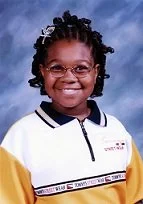
Joan Donna Griffith, a mother working in the South Tower, never made it home. Her daughter, Paula Edgar, watched the towers fall from across the country, unable to reach her family. Joan was a nurturer, a provider, a woman who held her family together.
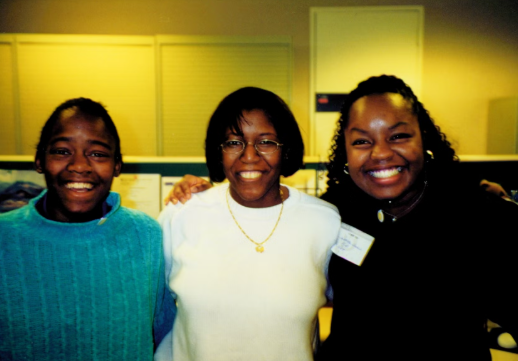
Amelia V. Fields, a civilian secretary at the Pentagon, had just started her job. Her husband had baked her a birthday cake that morning. She never got to taste it.
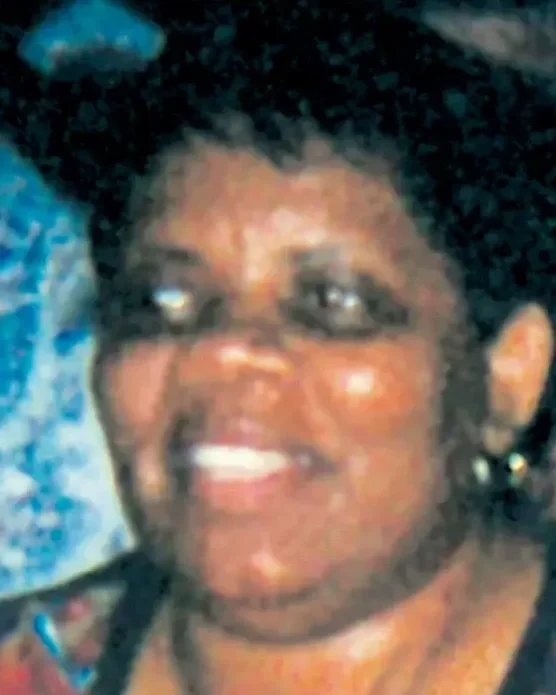
Sara M. Clark, 65, was flying to Los Angeles to get married. She and her fiancé had just picked out wedding bands. Her love story ended in tragedy.
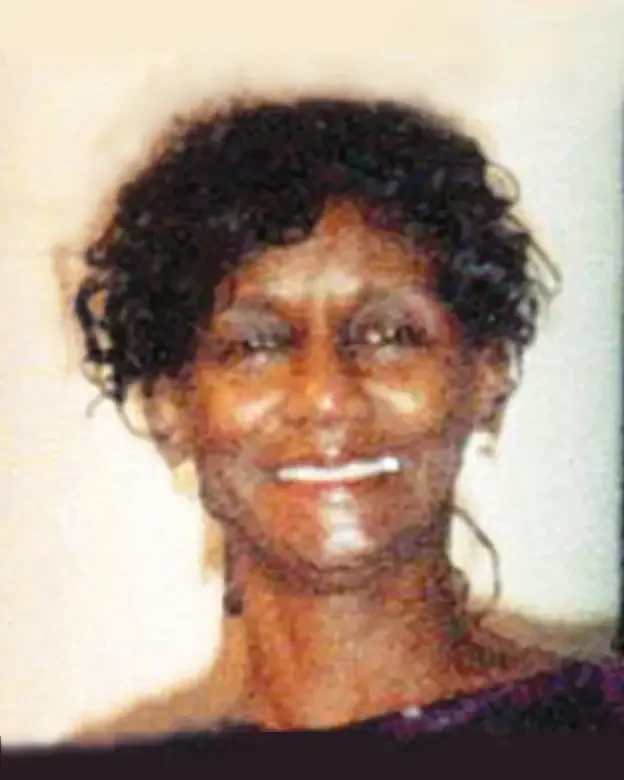
And we must remember Wanda Anita Green, a trailblazing flight attendant on United Flight 93. Wanda was one of the first Black women to work for United Airlines, serving for 29 years. She was a mother of two, a church deacon, a real estate agent, and a woman who dreamed of opening her own business. She was substituting for another attendant that day, planning to visit her family in Oakland after the flight. Her mother, Aserene Smith, had called her the night before to say, “I love you. I’ll see you tomorrow.” Wanda never made it.
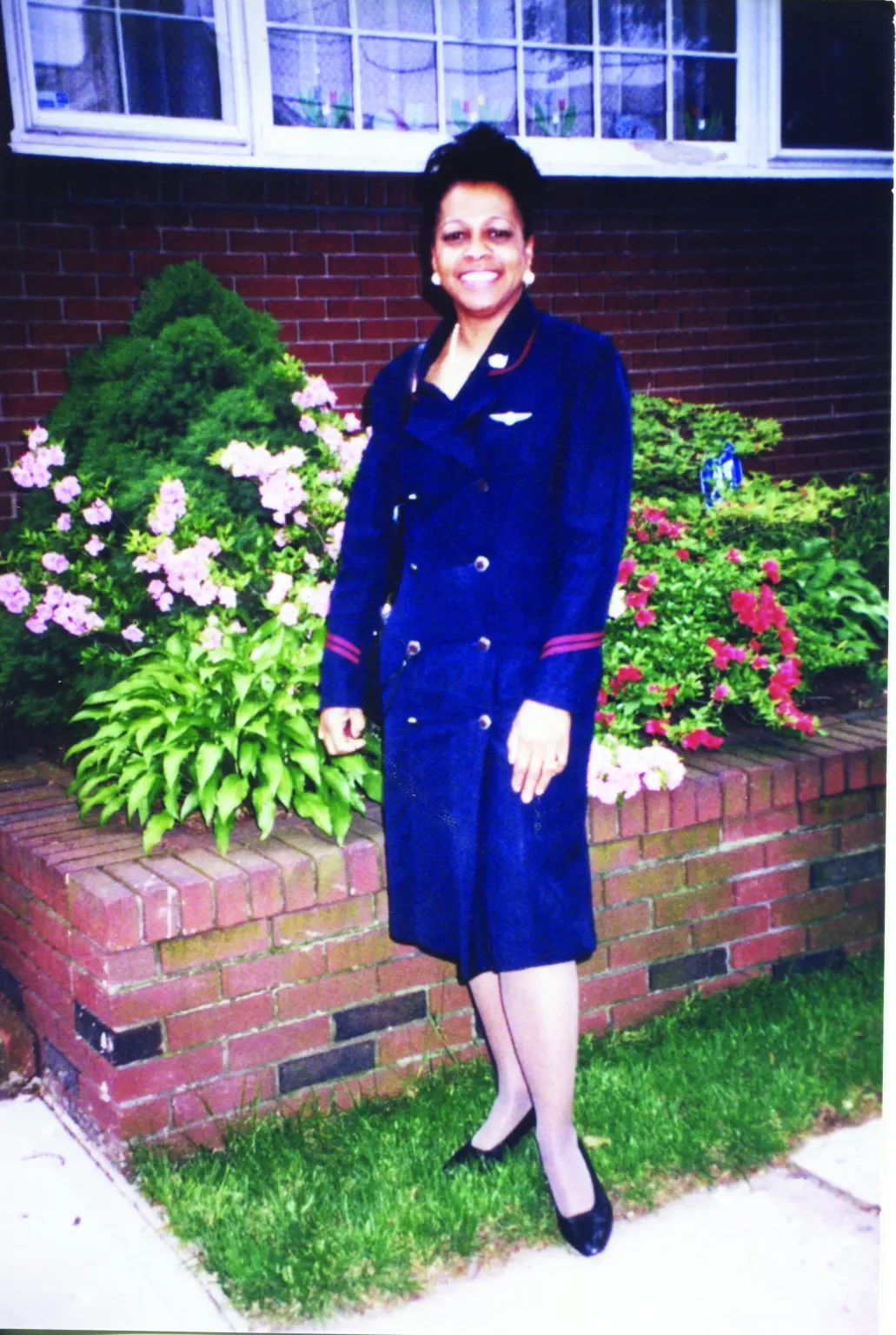
These women were more than victims. They were vibrant, powerful, and deeply loved. Their lives mattered. Their deaths shook families, churches, communities. And their absence is still felt today.
“The Dust Lady” and the Weight of Survival
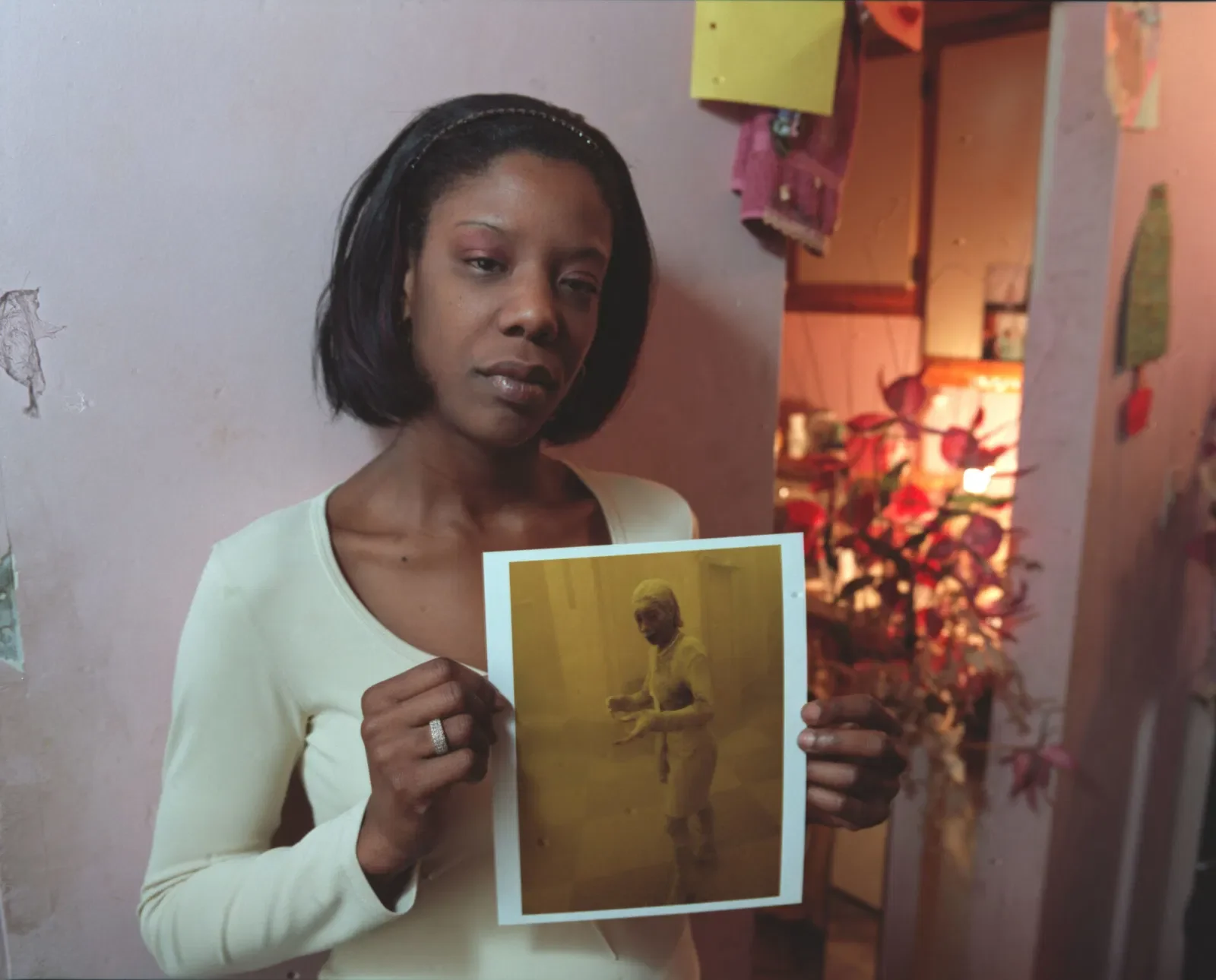
We also remember Marcy Borders, known to the world as “The Dust Lady.” That haunting photo of her covered in ash became a symbol of survival. But survival came at a cost. Marcy battled trauma, addiction, and eventually cancer, likely caused by the toxins she inhaled that day. She died in 2015, still carrying the weight of 9/11 in her body and spirit.
Her story reminds us that surviving doesn’t mean healing and that Black women often carry pain in silence, unseen and unsupported.
Why Our Stories Must Be Told
Let’s be real: Black folks have always been part of America’s story, even when we’re written out of it. We were there on 9/11. We died. We survived. We grieved. But when Time Magazine released its Beyond 9/11 issue, not one identifiable Black American was featured. Not one.
This kind of erasure is not just oversight, it’s injustice. It tells our children that their lives don’t matter in moments of national tragedy. It tells our communities that our grief is invisible.
But we know better. We know that remembrance is resistance. That saying her name is an act of love. That honoring our sisters is how we heal.
A Call to Action
So today, The Good Girl Movement calls on all of us—Black women, allies, educators, journalists, and leaders to do better.
Include Black victims in memorials, museums, and media.
Support families still grieving and seeking recognition.
Teach our children the full truth of 9/11, including the Black lives lost.
Create spaces where our grief is honored and our stories are told.
Because our sisters deserve more than silence. They deserve legacy.
Let this be the year we say their names. Let this be the year we remember them fully. Let this be the year we make space for Black women in history not just in tragedy, but in truth.

The Summer I Turned Into a Good Girl
A love letter to Black women and girls becoming, unbecoming, and becoming again through education, evolution, and self-love.
A love letter to Black women and girls becoming, unbecoming, and becoming again through education, evolution, and self-love.

This summer wasn’t just about sunshine and soft life.
It was about transformation. Quiet, radical, sometimes messy, but always sacred. It was the summer of shifting perspectives, of choosing softness, of letting go of who she thought she had to be and leaning into who she’s becoming.
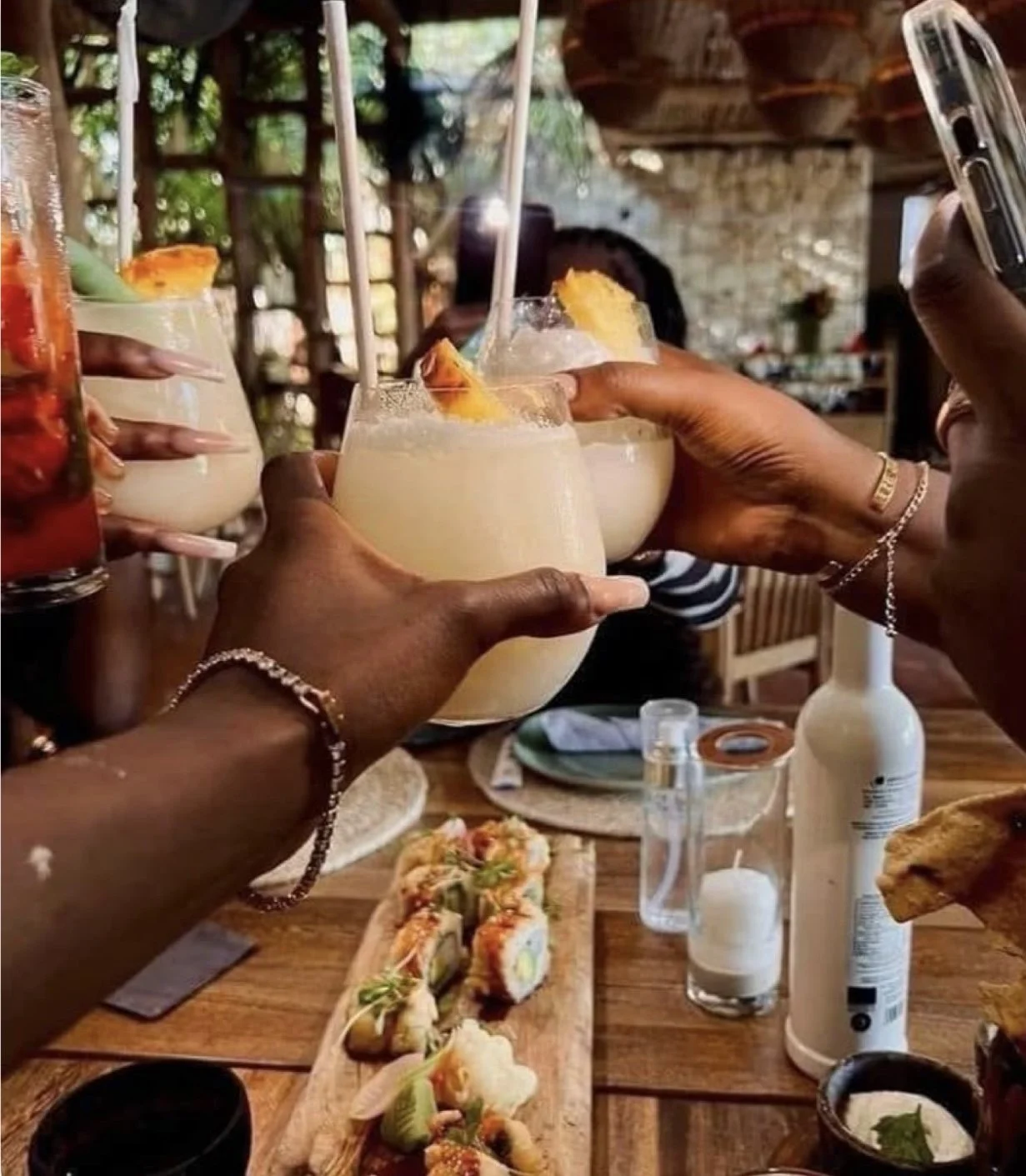
It was the summer of rooftop brunches with friends who feel like soulmates.
Of iced matcha lattes and deep conversations about purpose, healing, and what it means to be a Black woman in a world that constantly asks her to shrink. It was the summer of laughter that echoed louder than her doubts, and silence that finally felt like peace.
It was the summer of walking away—from relationships, majors, jobs, and mindsets that no longer served her.
The summer of starting over, even when it felt scary.
The summer of realizing that she doesn’t owe anyone the same version of herself forever.
For Black women and girls, change is often met with resistance.. from the world, from family, sometimes even from within. However, this summer, something shifted. She gave herself permission to evolve. To want more. To want less. To say no. To say yes. To say “I don’t know yet.”
Some fell in love. Some fell out of it.
Some started new jobs, while others quit without a backup plan.
Some enrolled in classes, applied for scholarships, joined study groups, or finally asked for help.
Some moved to new cities, while others returned home to heal.
Some cut their hair, changed their major, launched a business, or simply rested for the first time in years.
And through it all, she realized: being a “Good Girl” isn’t about perfection.
It’s about alignment. It’s about choosing herself, even when it’s hard. It’s about redefining what “good” means, and on her own terms.
She learned that education isn’t just academic—it’s emotional.
It’s learning how to say “I need help.”
It’s learning how to speak up in rooms that weren’t built for her voice.
It’s learning how to build community, how to ask better questions, how to dream bigger.
It’s learning how to be soft in a world that demands she be hard.
It’s learning how to be still in a culture that glorifies hustle.
She learned that she’s allowed to change.
Black girls are allowed to pivot.
To reimagine.
To start over.
To want softness after years of survival.
To want structure after seasons of chaos.
To want more—or less—and not have to explain why.
She learned that growth doesn’t have to be loud.
That healing doesn’t have to be public.
That becoming isn’t always beautiful—but it’s always worth it.
This is a love letter to the Black girls who are still figuring it out.
To the ones who are tired of being strong but still show up.
To the ones who are building new versions of themselves from scratch.
To the ones who are choosing healing, even when it’s inconvenient.
To the ones who are choosing education—not just for a career, but for confidence, community, and clarity.
As the last quarter of the year approaches, she’s walking into it with clarity.
Not because everything makes sense, but because she’s finally listening to herself. She’s honoring her boundaries, her joy, her softness, her ambition. She’s learning that she doesn’t have to be everything to everyone. She just has to be true to herself.
And if she’s still unsure? That’s okay.
Because becoming a Good Girl isn’t a destination—it’s a journey.
And she’s already on her way.
September Spotlight: Promoting Higher Education for Black Women
This month, The Good Girl Movement is proud to launch a campaign dedicated to uplifting Black women and girls in higher education. Whether she’s a first-year student navigating campus life, a senior preparing for post-grad transitions, or a working professional returning to school, her journey matters.
We’re highlighting stories of resilience, ambition, and self-discovery.
We’re sharing resources, hosting conversations, and creating space for Black women to feel seen, supported, and celebrated in academic and professional spaces.
Because education isn’t just about books, it’s about becoming— and every Black girl deserves the freedom to learn, grow, and evolve on her own terms.
Are you a Black woman in college or the workforce?
We want to hear your story. Share your journey, your wins, your pivots, and your lessons with us. DM us, tag us, or email us to be featured in our September series.
Know a campus or organization that’s doing the work?
Nominate them for a spotlight. Let’s amplify the spaces that are pouring into Black women.
Join the conversation.
Follow @TheGoodGirlMovement on Instagram and TikTok, and use the hashtag #GoodGirlsGraduate to connect with others navigating this season of growth.
This fall, we’re not just turning into Good Girls, we’re turning into scholars, leaders, and legacy-makers.

SHE IS THE MOMENT: Olandria Carthen’s Journey on Love Island USA and the Reality of Being a Black Woman in Love and Media
Olandria Carthen’s journey on Love Island USA was more than a love story—it was a masterclass in grace, advocacy, and reclaiming narrative as a Black woman in media. From emotional labor to romantic resilience, she challenged the tropes that often flatten us and stood tall in her truth. This piece honors her softness, her strength, and the power of being seen without apology.
“The world always tries to label us as ‘angry Black women.’ They use a moment of weakness and make that one specific time our whole character.”
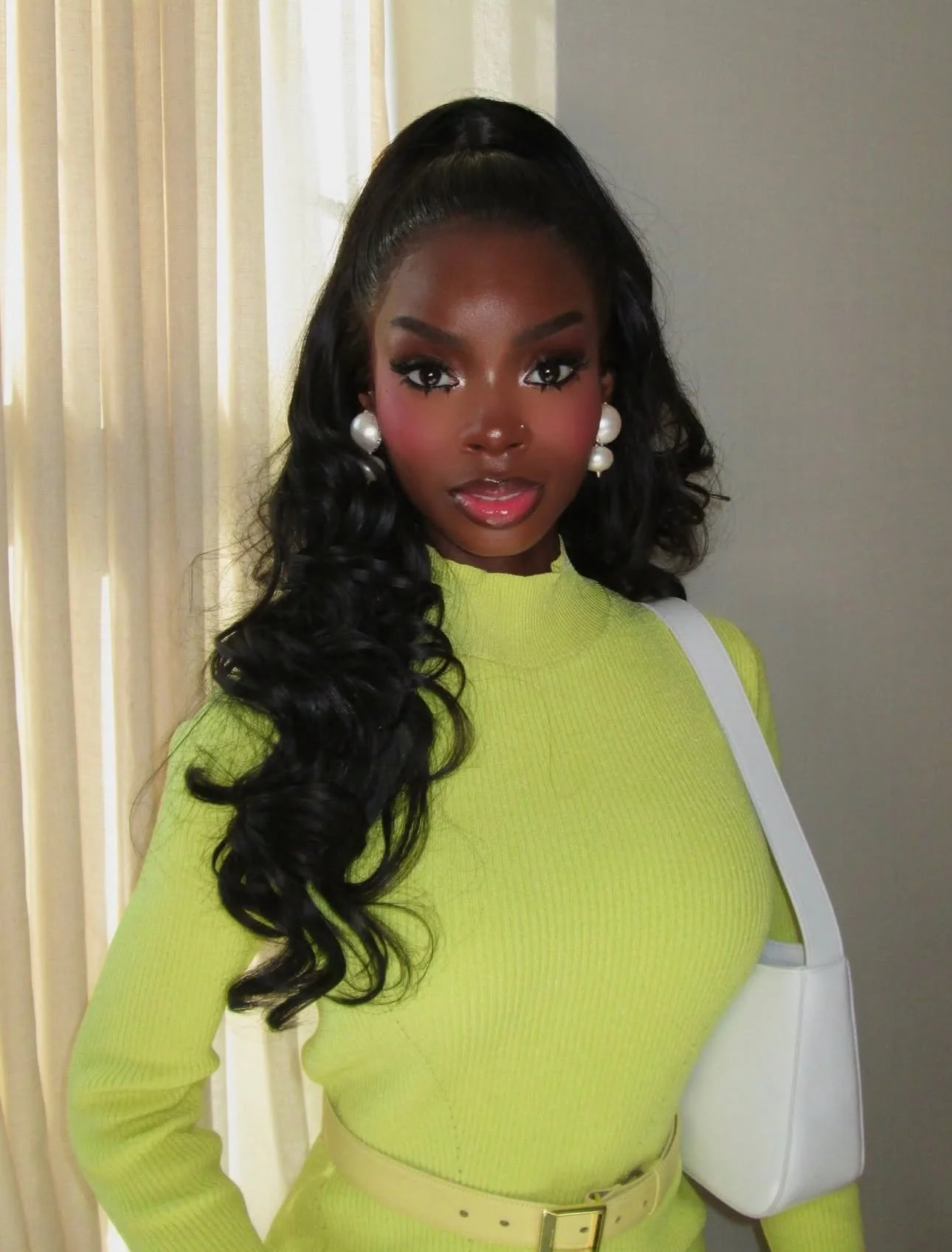
When Olandria Carthen walked into the Love Island USA villa, she didn’t just enter a dating show, she entered a battleground of perception. A proud Tuskegee University alum, radiant in beauty and rooted in self-awareness, she brought with her a presence that couldn’t be ignored. From her flawless style to her grounded energy, Olandria was magnetic. But being a dark-skinned Black woman on a reality show built around desirability meant her journey would be layered with complexity, scrutiny, and emotional labor. She didn’t just come to find love. She came to be seen, and in doing so, she exposed the ways Black women are often misread, mistreated, and misunderstood in spaces that weren’t designed with us in mind.
The Tropes That Trap Us
Reality television has a long history of flattening Black women into caricatures. We’re either the angry one, the loud one, the hypersexual one, or the one who’s “too strong to cry.” These tropes aren’t just lazy, they’re violent. They erase our softness, our nuance, our humanity. And when we show up with clarity, boundaries, and emotional intelligence, we’re punished for it.

Olandria was labeled a “bully” by online audiences. Not because she yelled. Not because she belittled. But because she refused to be disrespected. Because she spoke with conviction. Because she held people accountable. And in a genre that thrives on conflict, her assertiveness was weaponized. This is the burden of representation. Black women are expected to be strong, nurturing, and endlessly forgiving, but the moment we assert ourselves, we’re cast as combative. The editing room becomes a weapon. Moments of vulnerability are cut. Context is erased. And what’s left is a caricature, a flattened version of a woman who is, in reality, layered, loving, and luminous.
The Emotional Labor of Being “The Strong One”
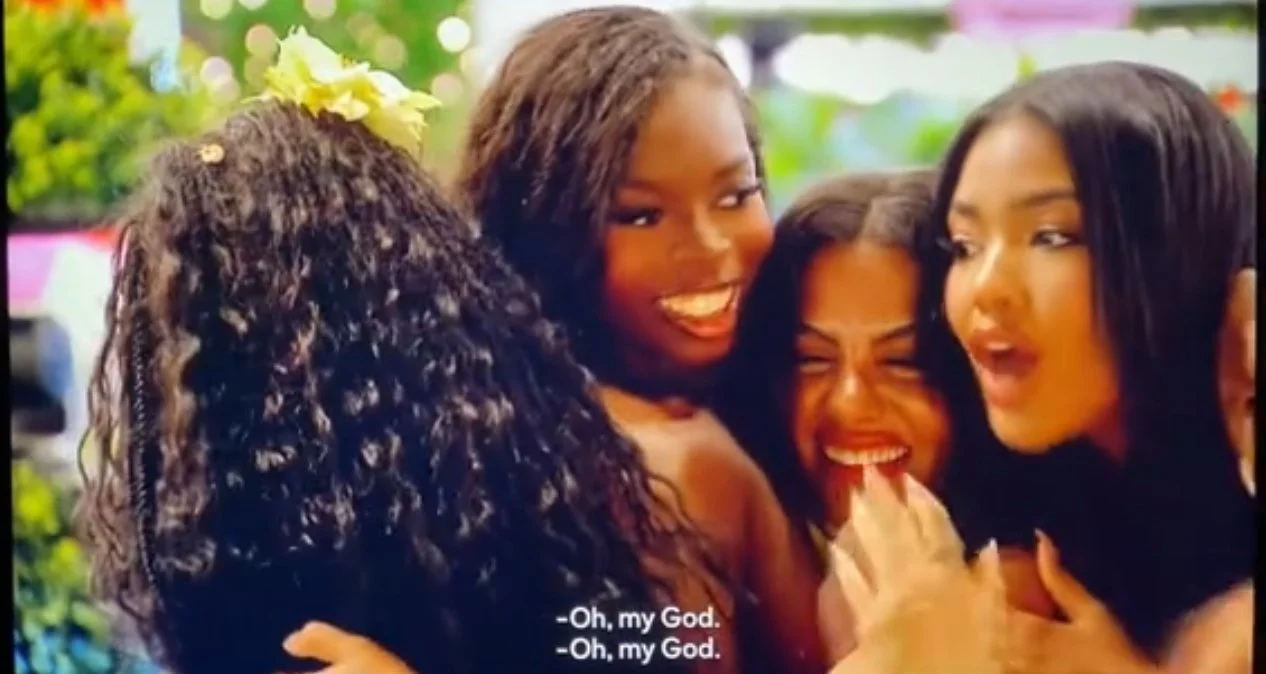
Throughout her time in the villa, Olandria was the one people turned to. She was the sounding board, the truth-teller, the emotional anchor. She held space for others even when she wasn’t being held herself. Chelley Bissainthe, another Black woman in the villa, later shared that “everyone who was in that villa will tell you that they could always come to us for the best advice… we bring everybody a peace of mind.”
But that labor—unpaid, unrecognized, and often unreciprocated, rarely makes the final cut. Instead, audiences are fed a narrative that erases care and amplifies conflict. Olandria didn’t just survive the villa, she carried it and she did so while navigating the weight of being one of the few dark-skinned Black women in a space that rarely affirms us.
Her Journey to Love: Honesty, Heartbreak, and Healing
Olandria’s romantic arc was layered and deeply human. She spent the majority of the season coupled with Taylor, a connection that, at first, seemed promising. They shared laughs, loyalty, and three weeks of partnership. Behind the scenes, there were quiet conversations and subtle cues that revealed Taylor wasn’t truly the match for her. When Casa Amor arrived, the switch was swift. In just three days, he recoupled with someone new, leaving Olandria confused and hurt, wondering where the connection had gone wrong.
She didn’t ask for perfection. She asked for honesty. And when that honesty came too late, it stung—not just because of the rejection, but because of the emotional labor she had invested in a relationship that wasn’t built on truth.
Even when Jalen entered the villa and expressed interest, Olandria stayed loyal to Taylor. She chose commitment over convenience, hoping that her consistency would be met with clarity. It wasn’t. And once again, she was left to navigate the fallout with dignity and grace.
This moment echoed a painful reality for many Black women: being chosen for stability, not desire. Being tolerated, not treasured. And being expected to stay loyal even when loyalty isn’t returned.
The “Cowboy” Who Chose Her Loudly
Love has a way of circling back..
From the very beginning, there was a spark between Olandria and Nic Vansteenberghe. During the blindfold challenge on Day 2, Nic kissed her ntentionally. He picked her in every group challenge. He expressed interest during Casa Amor, but timing and circumstance kept them apart until fate gave them a second chance.
Both Olandria and Nic were dumped during Casa Amor, a moment that felt like the end, but turned out to be the beginning. They received a text inviting them to return to the villa together. They coupled up, shared a steamy kiss, and began to explore what had always been simmering beneath the surface. Though they initially labeled it as friendship, the connection deepened and a week before the finale, they were brought back together once again. This time, it stuck.
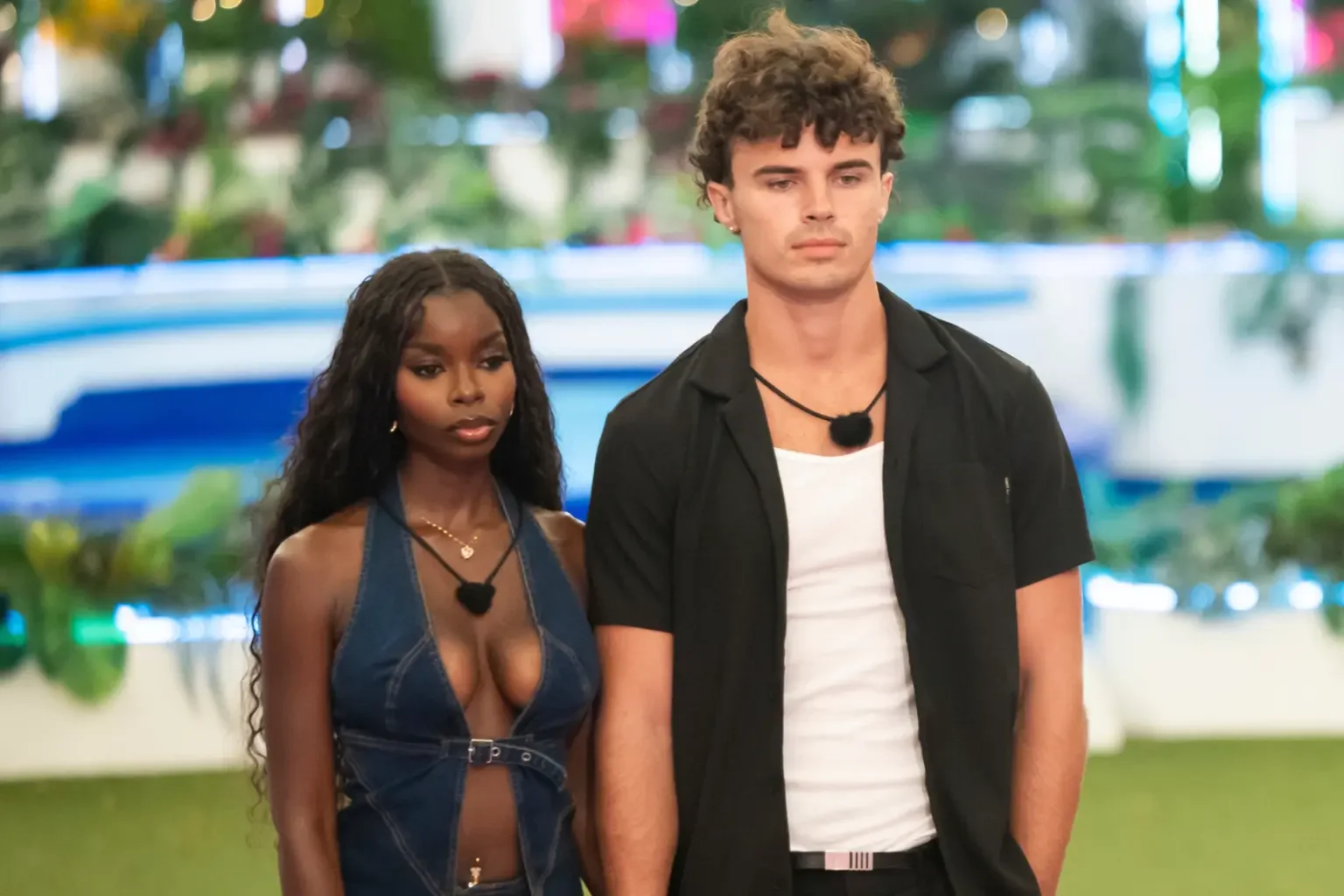
Their bond wasn’t rushed. It was built slowly, intentionally, and with mutual respect. They earned second place in the finale, but more importantly, they earned each other. Nic didn’t just choose Olandria, he chose her loudly. He defended her against online hate. He uplifted her in interviews. He made it clear that the noise outside the villa would never shake their bond. “Whatever she wants, I want to make sure happens,” he said during the reunion.
For the first time, our girl was allowed to be soft.
“Usually, I’m a control freak,” she said. “But I let him do everything. The support that I have from this guy is unreal. It allows me to be the soft woman I’ve always wanted to be.”
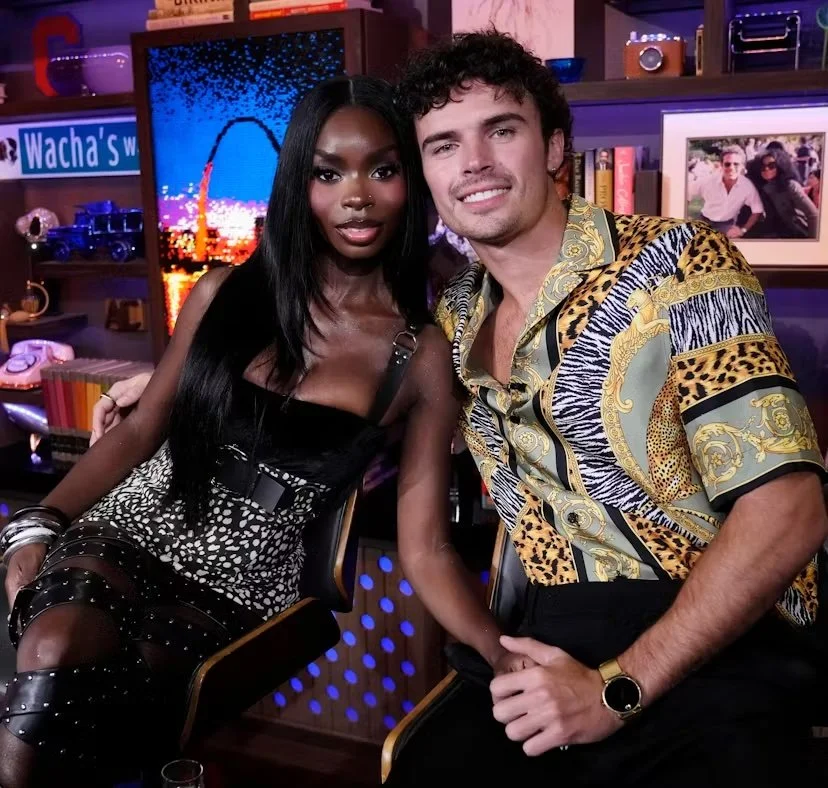
In a world that demands Black women be strong at all times, Nic gave her permission to rest. To receive. To be held. Maybe he was the cowboy she needed from day one.
Reclaiming Her Voice
Olandria Carthen’s most powerful moment didn’t come during a challenge or a coupling ceremony, it came when the cameras were rolling at the Love Island USA Season 7 reunion, and she chose to speak truth to power. In a room full of people who had shared the villa with her, she stood tall and named the harm. She didn’t sugarcoat it. She didn’t shrink. She said, “Your face was not plastered on George Floyd’s body. Mine was. And I told you that. It was that bad. That shit hurts”.
That moment wasn’t just about her. It was about every Black woman who’s ever been gaslit into silence. Every Black woman who’s been told to “let it go,” “don’t make it about race,” or “be the bigger person.” Olandria refused to let the racism she and Chelley endured be brushed aside. She didn’t just ask for accountability, she demanded it. And in doing so, she modeled what it looks like to protect your peace, your name, and your community.
She had asked for support. She had asked for a public statement to stop the racist attacks. She had asked for allyship, and when it didn’t come, she named that absence. Loudly. Clearly. Unapologetically. Because silence in the face of racism is complicity. Olandria knew that if she didn’t speak up, the narrative would continue to be shaped by those who never had to carry the weight of being a Black woman in the public eye.
Her voice cracked, but her message didn’t. She spoke not just for herself, but for Chelley, for the Black girls watching, for the ones who are always expected to be strong but never allowed to be soft. She reminded the audience—and the world—that Black women are not disposable. That our pain is real. That our dignity is non-negotiable.

This wasn’t just a reunion moment. It was a reclamation. Olandria took bck the narrative that had been twisted by online hate, racial bias, and silence. She reminded everyone that she was not the villain. She was the one who held the villa together. She was the one who gave advice, comfort, and clarity. She was the one who deserved protection, and didn’t get it.
In that moment, she became more than a reality TV contestant. She became a mirror for the culture. A reminder that Black women will always be the backbone of truth, even when the world tries to bend it. She showed us that advocacy doesn’t have to be polished, it just has to be real, and hers was real, raw, and revolutionary.
Her courage to speak truth to power was a masterclass in self-advocacy. She didn’t just defend herself—she defended every Black woman who’s ever been mischaracterized, mislabeled, and misunderstood.
She’s That Girl
Let’s be clear: Olandria Carthen is that girl. A gorgeous, stylish, unapologetic woman with a heart full of wisdom and a mind sharp enough to cut through any nonsense. Her fashion was flawless. Her reads were legendary. And her character? Impeccable. She didn’t just survive the villa, she redefined what it means to thrive in a space not built for her. She showed us that softness is not weakness. That loyalty is not naivety. And that Black women deserve love that doesn’t ask them to shrink, silence, or settle.
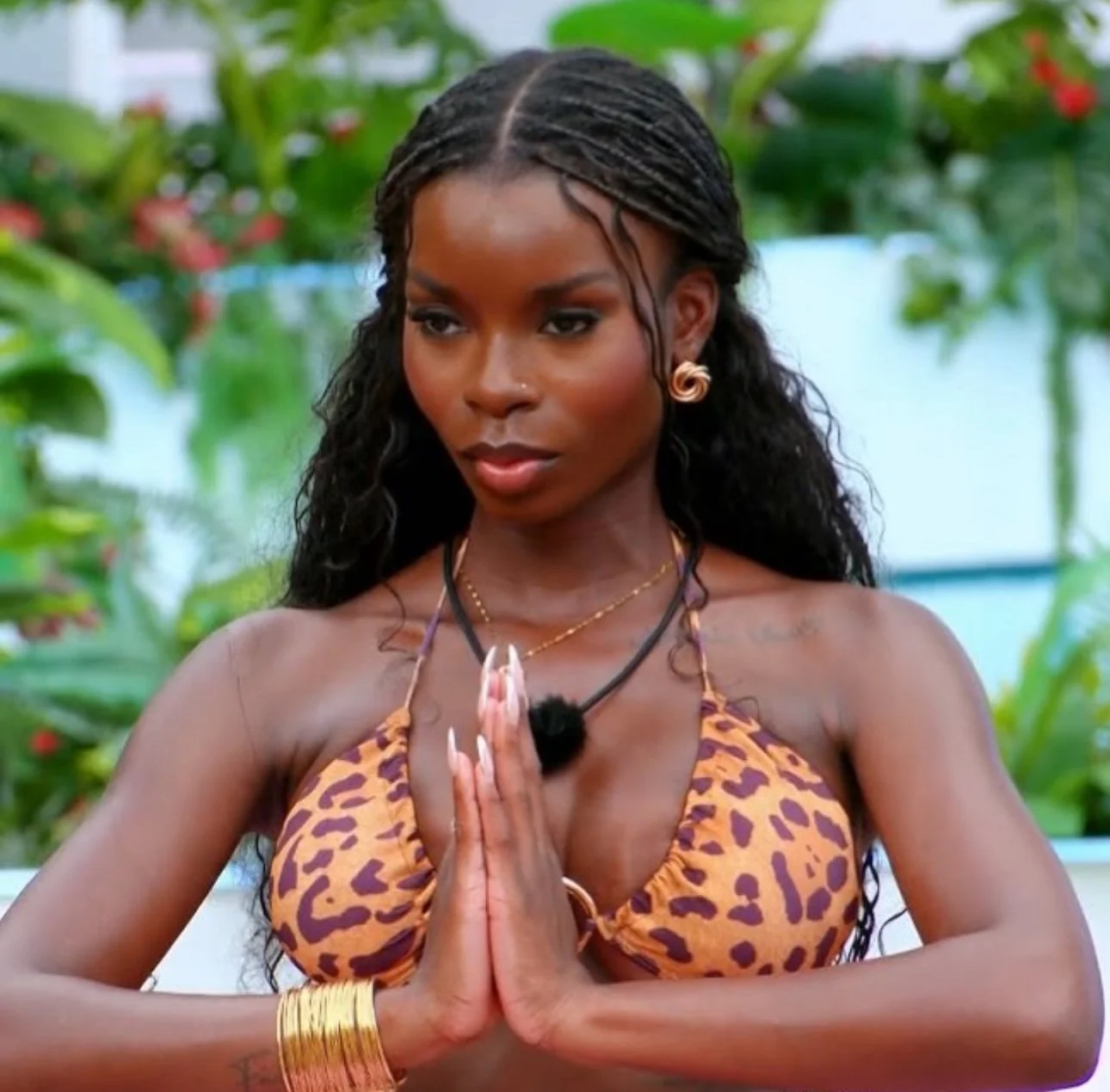
Our girl O has so much more in store and we are down for the ride! What’s your favorite moment from the Bama Barbie this summer?
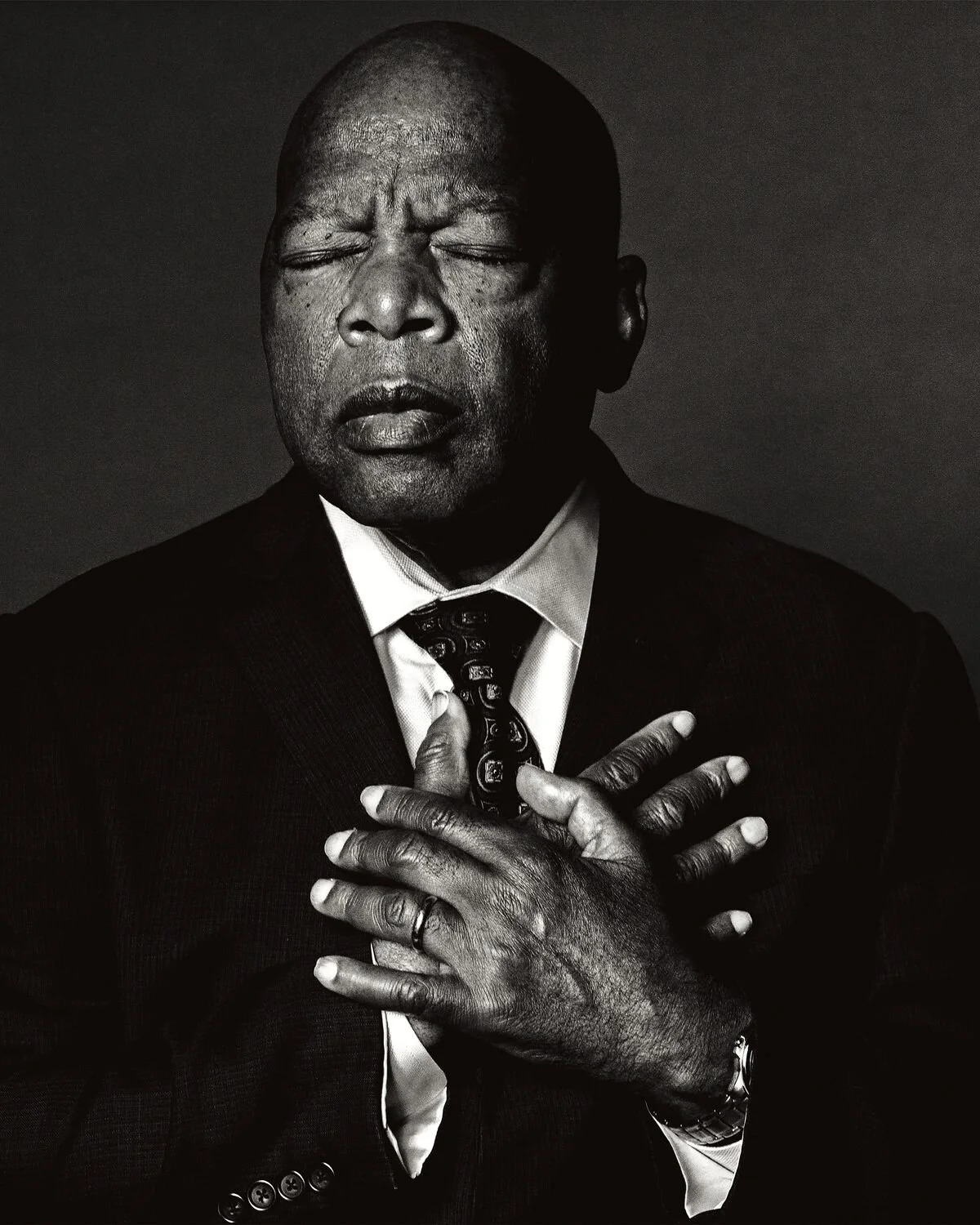
The Boy from Troy
“If courage was a man, his name would be John Lewis.”
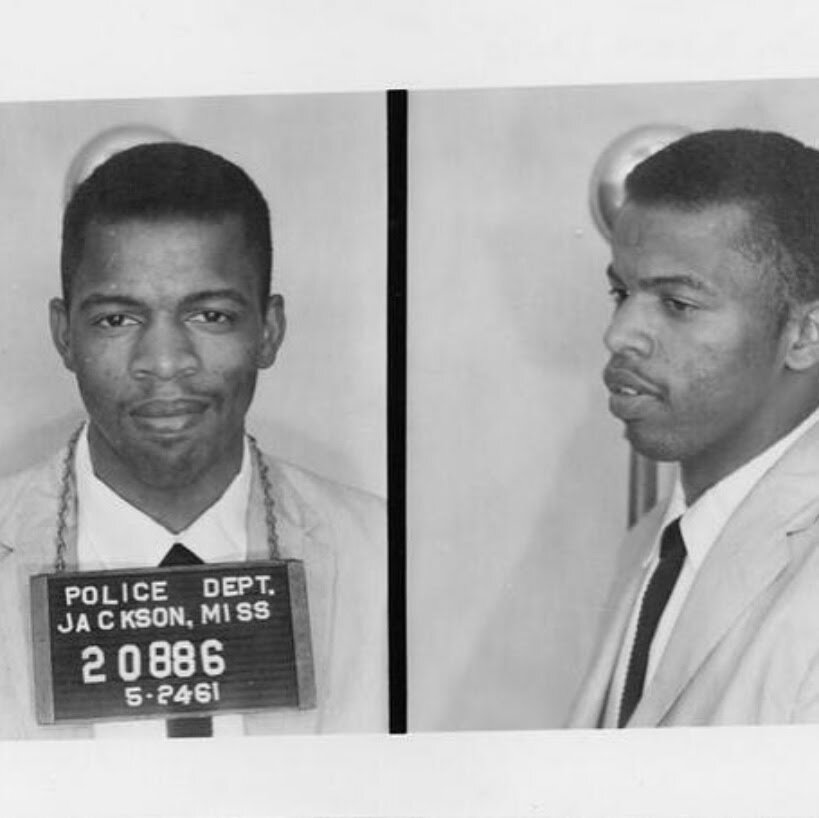
Born February 21st, 1940 to two sharecroppers, John Lewis got his start in the rural south of Troy, Alabama. Even as a young boy, his family knew he was destined for greatness when they witnessed him preaching to the chickens out in the field.
Lewis began his long path of mobilizing the black community at only 19. While attending school in Nashville, he partook in local workshops on nonviolent confrontation in preparation for the Freedom Rides of 1961 that challenged racial segregation in the South. From that point forward, Lewis went on to make massive contributions and personal sacrifices for the progression of our community.
To his count, Lewis was arrested more than 40 times over the years for various civil rights activities across the South. He helped organize the March on Washington with Dr. Martin Luther King Jr. in 1963 and was beaten bloody in his efforts to lead an estimated 600 marchers to Montgomery all in the name of voting rights. This led to the deadly encounter with law enforcement that we now know as Bloody Sunday.
In 1977, Lewis made his first run for Congress and lost, but that only strengthened his determination. November of 1986, John was elected to Congress, overseeing the 5th district of Atlanta. He was re-elected 16 times after that. Even towards the end of his political career, his work continued up until his passing on July 27th, 2020 after a long fight with prostate cancer.
“As long as I have breath in my body, I will do what I can.”
And that he did.
Not only was he one of the biggest civil rights icons ever, he was a loving husband to his wife Lillian Miles, a father to John-Miles Lewis, and most importantly an unwavering advocate for his community.
His legacy left was like none other and he will never be forgotten.
Since the beginning of time the odds have been against us. This country was built on our backs, yet there is a systemic effort to silence our voices. The implementation of voter suppression laws overwhelmingly targets Blacks, Hispanics, Asians, youth, and low-income communities. If that isn’t motivation for you to vote then vote because your forebears fought and died for our right.
Vote for the simple fact that they don’t want you to.
Vote because your opinion matters.
Vote because you can.
Without outspoken leaders, such as John Lewis present to vouch for us, the power lies in the hands of black youth like you and me. We have a responsibility to uphold. We have the power to strengthen our democracy and make great change. We know more than anyone else that there is strength in numbers.
It would be in our best black interest to educate ourselves on the nature of politics and choose a candidate that can actively and truthfully advocate for our community; in the name of John Lewis.
See you at the polls.

Alexis Crawford
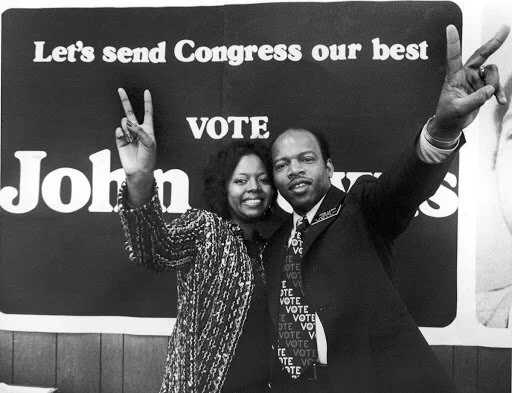
The world was shaken by the violent details following the gruesome discovery of the body of 21-year-old Alexis Crawford on November 8th, 2019. Alexis was a student at one of our prized HBCUs, Clark Atlanta University, where not only did her killers reside as fellow students, but actually roomed with her in their off-campus apartment.
While an official motive has yet to be released, it has been shared that a few days before Alexis was murdered, she had submitted a rape kit as she was allegedly attacked by her roommate’s boyfriend, Barron Brantley, 21 with sexual advances.
The night Alexis’s life ended, a fight between her and her roommate, Jordyn Jones, 21, ensued. For whatever reason, Brantley got in between the two and ended up strangling Alexis until she stopped fighting and eventually ceased breathing. Brantley and Jones then placed her lifeless body into a plastic container, and dumped her into a wooded area in Decatur.


While perpetuating general speculation as fact can be very dangerous, there are certain avenues the outline of this story leads to based on events that happened throughout the timeline, that can lead one to a logical, but sad observation: The detachment, and level of disregard people, most uncomfortably young people have towards another is truly reaching sickening levels of intensity.
Let’s say Brantley actually did not assault Alexis, and covering that up/ punishing Alexis was not the reason why she was brutally strangled, and hidden alone in a Georgia rough, even considering most people who are strangled are women in tumultuous relationships who have become victims of a crime of passion...
The act of actually choosing to not call the police, not call a neighbor, your parents, your at home friends, or anyone, is one thing - We get it;
You just murdered, and watched your boyfriend murder a 21 year old woman in front of you, a 21 year old you’re quite used to seeing at that. It is understandable how scary, and disheartening for elderly people that have seen many levels of death, and have dealt with many methods of how we can die could be, let alone 21 year old college students.
However, to be emotionally, and mentally sound enough to make a conscious decision to locate something to put Alexis in physically making sure her body would fit, picking Alexis up, placing her into a bin, then moving the bin to a vehicle, and then actually driving, and dropping the bin off after deciding somewhere desolate, and ‘perfect’ for an object to be discovered, then to drive back still informing no one, can be classified as many things, but an extremely unfortunate one, is shameful.
If there is no one else a Black woman is able to count on, she should always, at bare minimum, be able to turn to another sister, and know that she can confide, be loved, reminded, extended, comforted, understood and protected in the arms of shared unique experience, and the compassion that creates. No matter the beef, the bond should run deeper.
When Black women allow anyone, whether it be another ethnicity, or a man destroy another Black woman in front of us, for any and every excuse, we lose as a whole. Alexis’s life was not developed to be taken away by personal afflictions, likely do to actions she was not responsible for.
Even if - There are too many Black women who are too comfortable using their daughters as pawns for sex, to keep a sick man happy; Too many women who will destroy their daughters, nieces, and friends for being loved, or lusted after by an entity whose attention they have drawn by the natural efferevesance Black women possess. Don’t forget about the Black women who feel they have no other option but to tear down and crucify the next Black woman to feel secure in the spots they imagine they must defend.
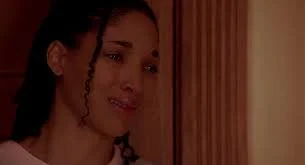
Remember this scene and why she’s crying...yeah
Its cases like these that serve as evidence as to why we must start behaving as each other’s keepers and stop pretending to be.
A young woman, in college not far from her campus, lost her life for existing in a space where her life was not regarded at a high enough extent even by her own, posing very real questions: If this how we are going to treat each other, how can we expect larger, more powerful entities not connected to us, to not abuse us, and our sisters, and brothers?
How can Jordyn Jones help her boyfriend conceal Alexis’s truth, when that could have easily been her Black body cradled in the fetal position Jones and Brantley looked down upon when covering Alexis in that container? What tone was being set? Or does it not matter so long as there is a man by your side believing you are his ride or die, regardless of how despicable his actions were to someone who looks like you, to someone that could have been you.
Black women. Women period. We must stop compromising our sisters for the sake of men, and greater entities who abide by destructive behaviors aimed at us for weak, personal gain. We must stop tearing down the women who raise us up, and are responsible for raising up our Black daughters of the future. We must engage in, and take to heart our responsibility to water the most uncared for, yet most fruitful beings in our society, our fellow Black woman.
The detachment we are getting too comfortable existing within us, between us, has to end, or we will.
Rest in Paradise Alexis Crawford, we love you, we miss you, we see you - And we will never forget your story.

Jordyn Jones circled, Alexis at the end

You’re wrong, T.I.
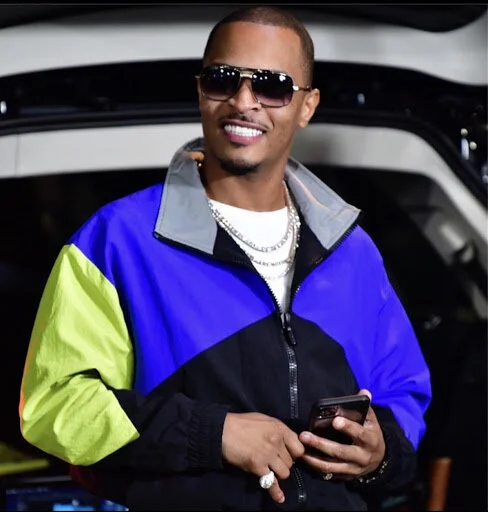

The rapper with the extensive vocabulary appeared on the podcast “Ladies Like Us,” telling the world that he was actively taking his daughter, Deyjah to doctor’s appointments. At first it sounded like a normal fatherly duty, yet he explained he requests hymen reports from the gynecologist to ensure that her hymen and virginity is still intact.
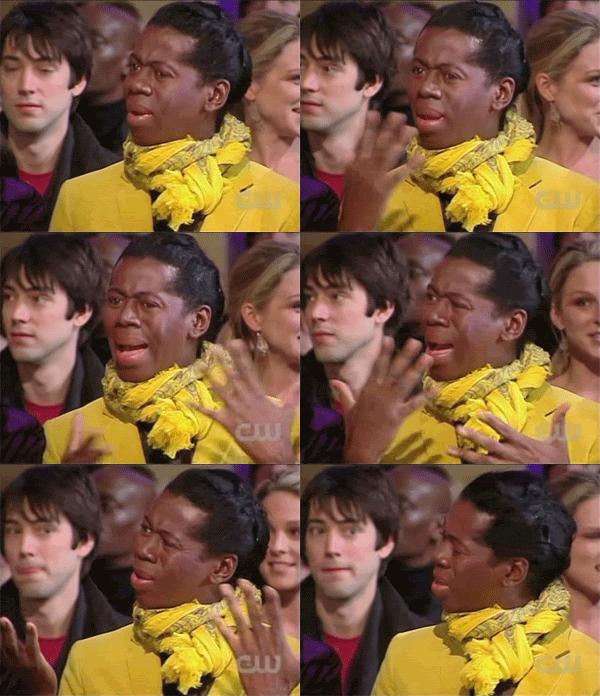
First off, this GROWN man who has already made a mockery of his wife has now made it his duty to invade his 18-year-old daughters’ personal and sexual life, masking it as exercising his right as a parent to “steer” her from making bad decisions. Well, TIP, you might just “steer” her away from you with this misogynistic behavior. It’s one thing to be a father and make sure she understands the importance of health but this is not the way to do it.
Looking back as an 18-year-old, I didn’t even inform my parents about my reproductive health. My mom went with me one time to give me the basic walk-through of routine checks and then let me decide whether I wanted her to accompany me in the future. This set healthy boundaries in our relationship as it showed she trusted me to do the right not. As I matured, I understood all that came with being sexually active and knew that I could always reach out to my mother without fear due to the boundaries and transparency established early on.
If only T.I had taken this approach and let Deyjah’s mother be the lead in this area. Yet, even if he insisted on being a part, this would’ve been a great time for Tiny to inform her husband of the female anatomy. A hymen is not a good indicator of virginity and as far as we are concerned, virginity is a social construct. The hymen can be broken while riding a bike, playing sports or even using tampons.
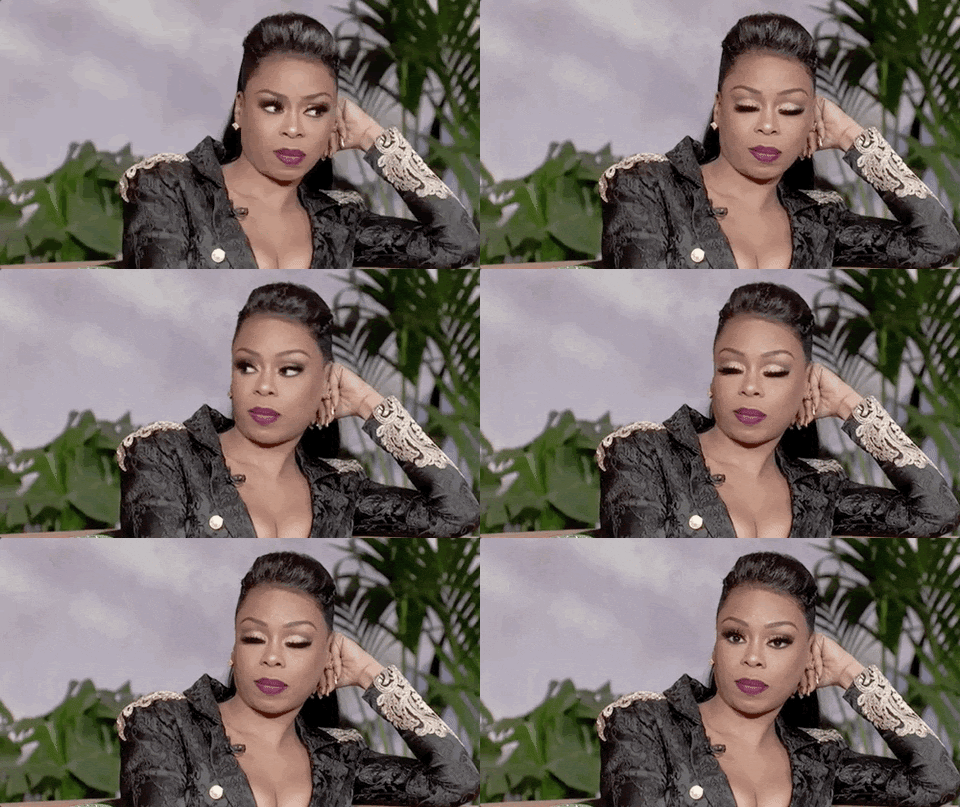
T.I’s lack of knowledge and ignorance on the subject proves that some men can be dumber than a box of rocks when it comes to women yet they still feel the need to assert their “superiority” or “dominance”...please let it rest, we are tired.
Gynecologists and even Planned Parenthood chimed in on this issue to set the record straight about the hymen and even calling Clifford’s behavior abusive and degrading. Not only did he tell the whole world her business, but he basically opened the floodgates for men who are determined to be with virgins.
Not only should this have been left off social media but this behavior should not be continued. So please TIP, we beg you to stop, expeditiously.
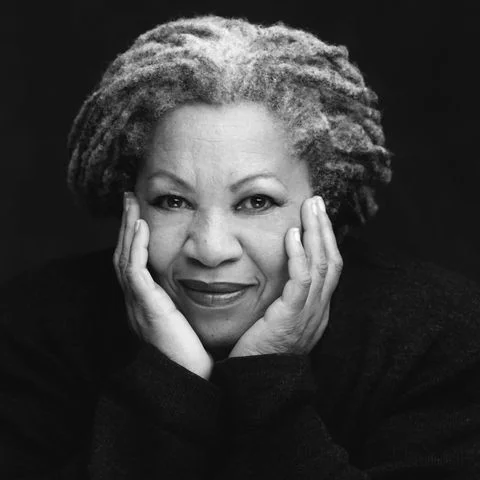
Toni Morrison
A Lesson Within the Life…
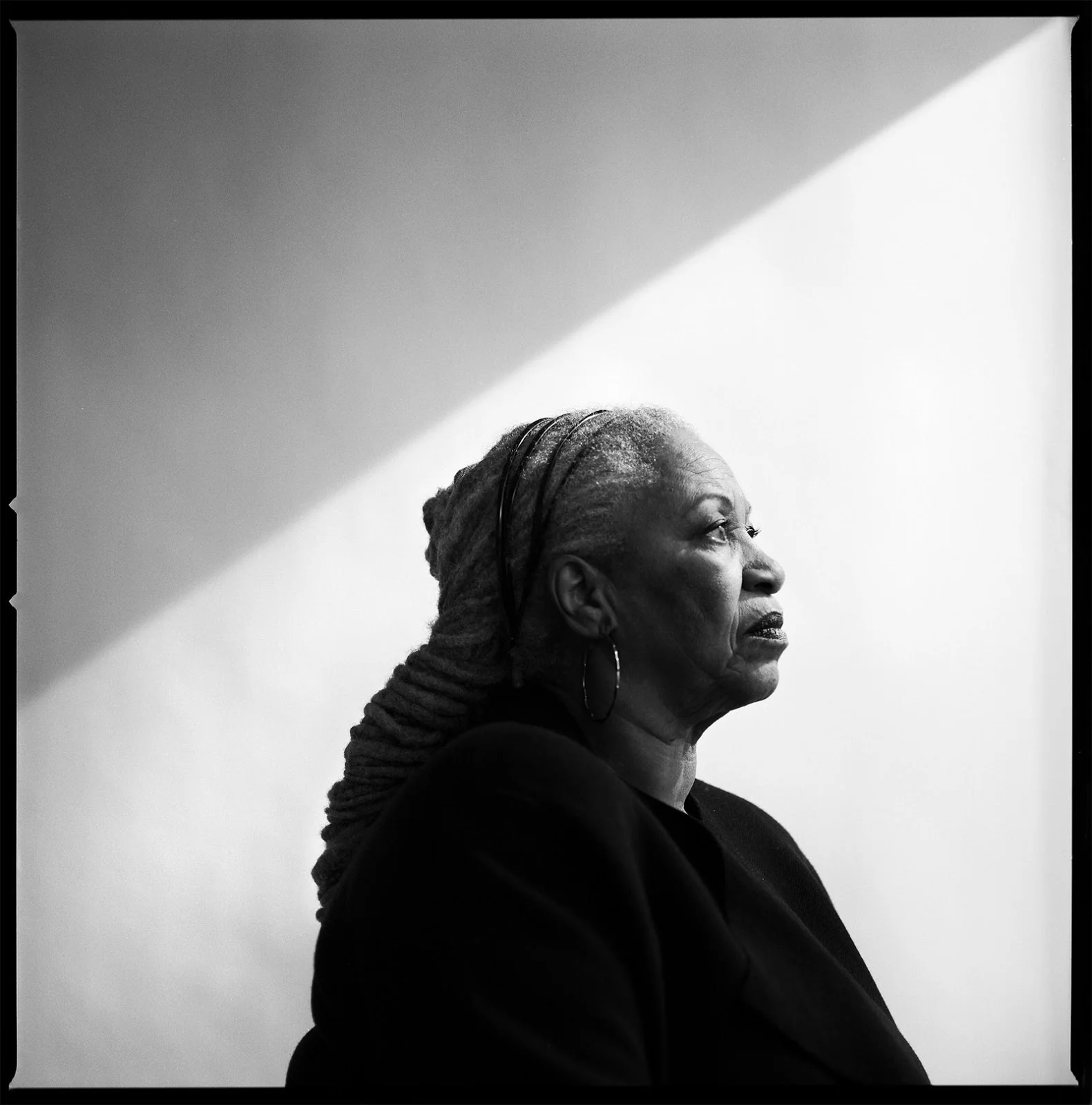
There are absolutely no words that can effectively describe the legacy, power, and wisdom of Toni Morrison. I sit here and write this article but I know my words will not do her justice so I’m just going to speak on what she did for me and what black girls can take from her life.
I was in elementary school when I brought home a self portrait from art class with blonde hair, blue eyes, and freckles. I didn’t appreciate the kinks in my hair or the richness of my skin. I saw white and thought it was right and desperately wanted to be something that would never happen. At the young age of seven years old, I was Pecola Breedlove, the main character of Toni Morrison’s The Bluest Eye. I wouldn’t discover the similarities until I borrowed my mom’s copy and watched the words leap from the page and form of dance of reality and relatability while simultaneously teaching me a lesson.
https://www.youtube.com/watch?v=DQ0mMjII22I
During her lifetime, Toni Morrison wrote books that spoke to the black experience in America. Each book took a different perspective from slavery to white standards of beauty and even the foundations of friendship. All of these stories had one thing in common, they were black as hell and written directly for us. Although some may have questioned her writing choice or even attempted to have her books banned from high school reading lists, she must’ve done something right to be awarded the Nobel Prize and the Pulitzer Prize and go down as one of the most respected and brilliant writers we’ve seen.
This woman was the definition of being unapologetically black. She took pride in her skin and experience and did her best to weave those into words for us. That’s what I want you to take away from this article. She wrote these stories for us to search within ourselves and recognize that the main characters are simply the reflection in the mirror we view each morning. If you’ve ever been scared to speak and walk in your truth, take a moment and read an excerpt from one of her books. Examine her confidence in being black and not fearing what white america has to say about it. Understand that your black art and voice is acceptable and doesn’t have to be compromised with a white agenda to win an award or reach people. She spoke, she wrote, and she was. Rest in power, Toni Morrison. We will forever preserve your legacy and use your life as an inspiration and blueprint.
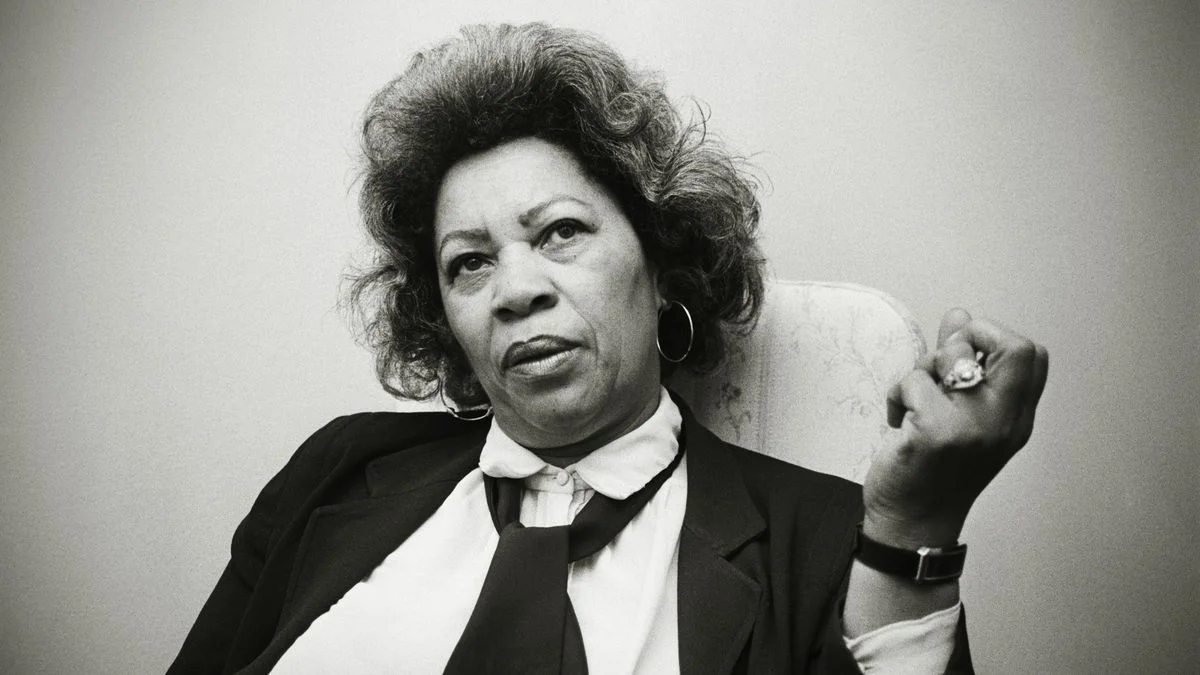
Her Body, His Choice?
The Good Girl Movement interviewed Julie Sidique, graduate of Spelman College and just completed her masters in Public Health from one of the top schools, Emory University. She’s also the Founder of Project Womb.
Keeping in mind the recent debate regarding abortion, here’s her love letter to you…
Dear Black Women,
How did we get here?
We have to have a much needed conversation. We need to talk about the history of how we got here, it wasn't until the 60s and 70s when there started to be an increase in concern about family planning. Even back then, it wasn’t the idea of actually stopping birth or giving women the option to stop birth it was really just an idea to promote safe motherhood, to breed a pure race of white people, and promoting eugenics.
Birth control didn't become legal until the 60s and it did not become legal for single people until 1972, there really wasn’t any concern for women’s health.
It wasn't until 1973 when Roe vs Wade happened, in which the main plaintiff was a Jane Doe, challenged the Texas law in a number of different grounds including the due process of law, right to privacy, and equal protection under the law, which is all constitutional, right?
Basically, rights to privacy aren’t absolute according to the law in the interest of maternal and child health. States can basically intervene for whatever compelling reasons that they want to. So this law, Roe v Wade, is a constitutional Supreme Court ruling. Why we keep hearing it is because fetuses usually reach viability between 24 and 28 weeks, and that’s the standard Roe v Wade makes abortion legal.
Viability meaning if we took the fetus out of the womb right now, would it survive? Could we call it a human, is it living? So states can prohibit abortion after viability except when it's necessary to protect a woman’s life or health. That’s pretty much what Roe vs. Wade is and how it became legal in short. When we think how it became legal, and who’s getting these abortions its disproportionately low income black and brown women who are getting these abortions.

Sometimes they can’t pay for it, sometimes they have to go to planned parenthood, especially for states that didn't expand Medicaid as an option. Black and brown women especially can’t access affordable birth control, this is a problem in where we see an increase in unplanned pregnancies.
What we are seeing is really scary to be honest with you, the good girls should know thats why everyone needs to vote. We need to take control of who we are putting in office because there are about 7 states that have bills this year that are going to prevent women from getting abortions.
It’s pretty much different depending on what state it is, in Georgia, Kentucky, Mississippi, Ohio, there are what we call heartbeat bills. These bills effectively stop abortions after 6 weeks of pregnancy. So they are not completely banning abortions, but the problem is that 6 weeks of pregnancy, is usually only 1 missed period.

That means after that first missed period, you can’t get an abortion. That’s around the time most women are first finding out they're even pregnant. A good friend of mine who recently decided to undergo the procedure,didn't find out she was pregnant until 7 weeks. If this had gone into effect earlier this year, we don't know what her situation would be. Then she had to wait even longer because she didn't have the money. So that’s another thing.
In Arkansas,they voted to limit the procedure to the middle of the second trimester but still less than Roe intended. What is frightening about what we are seeing in Alabama is a complete, all out ban, on abortions period, even in the case of rape or incest. This is a completely Republican and conservative agenda, something they've made very known for awhile...they don’t support abortion access. They don’t support women having a voice.
They take the funding and take advantage of these Evangelical christians in order to get their agendas pushed. It’s really not about protecting life. This whole idea about these abortion bans is that, the fetus in the womb is a human, they deserve just as much protection as a human, and they deserve a right to life. Well, okay let's go back and look at the Republican agenda, Republicans support capital punishment and the death penalty. So if they were all for protecting human life, why are they in support in taking one?
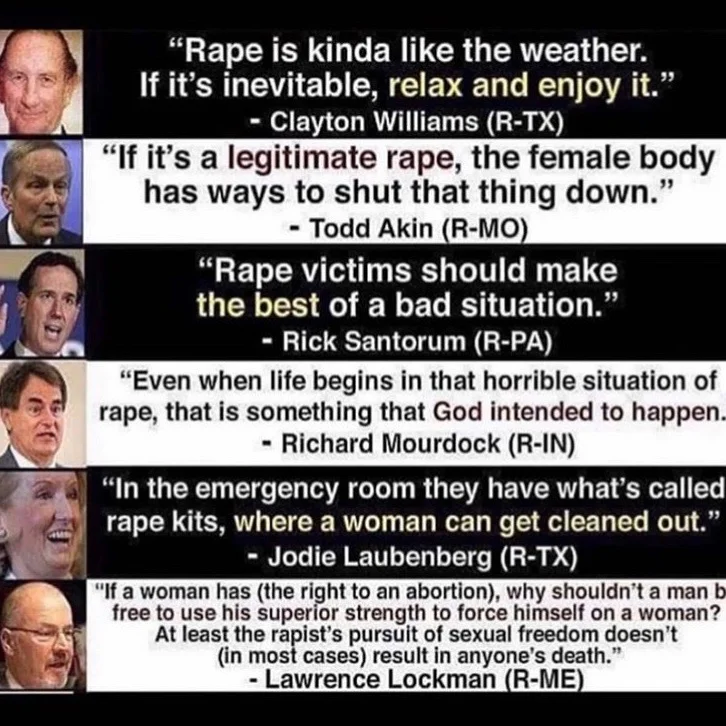
We also have to think about comments on rape and incest that a lot of these republican legislators have. A republican from Texas, Clayton Williams, literally said, and I quote, “Rape is kinda like the weather, if it's inevitable relax and enjoy it.” Okay so much wrong with that statement, can you imagine saying if rape is going to happen to you anyways well you might as well enjoy it?
Here’s another one, from Lawrence Lockman, “If a woman has the right to an abortion why shouldn't a man be free to use his superior strength to force himself on a woman? At least the rapist’s pursuit of sexual freedom doesn’t (in most cases) result in anyone’s death.” I say that to lay the landscape to describe in detail, the climate of the people we are dealing with. It’s absolutely ridiculous,this has nothing to do with protecting life, it has everything to do with controlling women and their right to decide.
Last thing I want to note is why there’s so much nervousness, attention and advocacy about this making it to the Supreme Court. It’s because a lot of these bills were structured verbally to get appealed again and again in the circuit courts. The hope is they make it to the Supreme Court where you’ll have justices like Brent Kavaughn in the position to be able to vote and overturn Roe vs Wade, because that can happen.
These Supreme Court seats are for a lifetime, so it’s not like another administration can happen or another President can just put on whatever justices they find suitable. We are dealing with the pickings of Trump appointed specifically to overturn Roe vs Wade.
Steps moving forward, depends on what we can do right now. We can start by calling governors offices. I demand that you veto this bill for xyz reasons. Women are going to die, children are going to be increasingly placed in the foster care system, there's going to be a bigger cost to society on unintended pregnancies, because we do pay for that. We can vote. We gotta turn up and vote for people who are going to protect us. What you can do personally and for your sisters? Seek contraceptives.
Think about how you are going to prevent yourself, friends, sisters, and family from having to be in this situation. If this is a situation you don't want to be in, what is the contraceptive method that works best for you? There's such a range that literally you can choose anything and it should work and be comfortable for you so that we don't have to get here. Calling, emailing, advocating, and demanding they veto this bill.
Project Womb just started. It is a political campaign, here to promote women body autonomy, tell our audience members, not everyone wants to know the nitty gritty of what's going on or the technicalities of how this affects them they simply want to know pure facts, what they need to know and how they need to act.
We understand that.
We want to make it easier for you to understand, and interpret. Eventually we want to expand so we can start to lobby, gain funding, and make donations. A movement dedicated to get people excited and passionate about things that affect women and family. Just expanding new fun things coming. Even with all of these bad things happening, letting people know whats going on- answering questions, staying positive, moving forward- getting everyone we can around this advocacy work, girl.
Just know….
“I see you. We see you. Not everyone has the money to go to another state to get the services they need. Fortunately there are people here fighting for you. I’m fighting for you. We are going to get through it together and we aren't going to let any old white man tell us what to do with our bodies not today, not ever.”
Follow @projectwomb, promote the agenda, and resist cause we got this!
Love, A Good Girl With A Choice
Julie

Black women, stop doing shit for free.
Let’s hit em facts, back it up with history and top it off with some inspiration, good girl style…
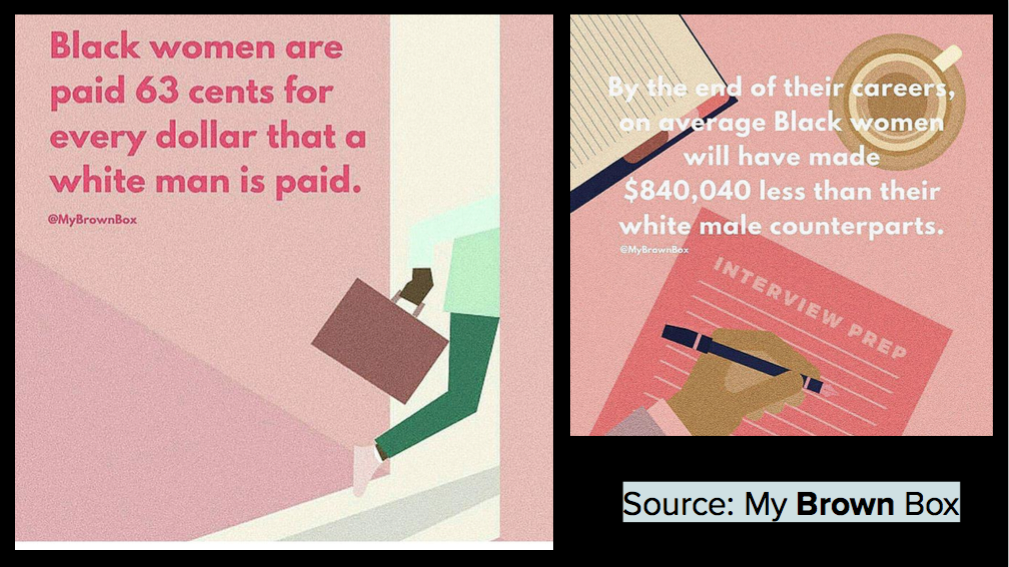
For the unfortunate facts:


For the good facts:


The Good Girl Movement interviewed powerhouse, Brianna Baker, about black women’s finances and she broke it all the way down.
“Eloquent Rage” by Brittney Cooper
“How are black girls supposed to grow up to be black women in love with themselves in a country built on the structural negation of black women’s humanity and personhood.”
And that sounds abstract in connection to finances but the ways in which we recognize our value are very much tied to the ways we recognize our personhood and humanity.
There’s been a structural undermining of black women, we’ve been taught and fully internalize this idea that we have to be twice as good to get half as much and with that we’ve internalized and undermined our work. Far too often there's black women who feel like they have to accomplish this that & the third before they can start charging people what they already should’ve charged year one. Black women already encompass and have more vision than anyone else, they have creativity and cynosure that far exceeds a lot that's already happening and yet and still we doubt our worth. In a world that already doubts the work of black women, we cannot do that for ourselves. We have to commit to unlearning, until we unlearn all the structures and all the ideologies that tell us we are not enough we will continue to lack as far as our economic value. We have to commit to the idea that we are brilliant enough to do this work, quite frankly a lot of our ideas are the trendsetters and visionaries for the work that already exist.
Although black women, as we know as of recent, are leading any demographic as far as educational attainment, we are the fastest growing demographic achieving different roles, constantly molding ourselves, and chasing excellence, yet and still we are lacking the wealth and stability thats tied with that. It’s not because we are not getting it, it’s because once we do get it, we have to give it to a family member that might not be able to pay their phone bill, taking the little bit that we have and spreading and sharing it, and sometimes we fragment ourselves so much that we don't have enough to stand on. We have to be very intentional about 1 recognizing our value, making sure that we are getting paid for it, stop doubting that you’re good enough, you been good enough and quite frankly some of the visions that you’re doing a white man has already taken tried to gentrify so be clear on who you are, stand clear on what you been called to do, and make people pay you for it.
SN: Now you see why we s t a n Brianna Baker, over here at The Good Girl Movement.
Moving forward…let’s get to the solutions. It’s imperative we start building the black community back up, invest in our own businesses and educate ourselves and sisters on the importance of financial literacy to break the curse of living paycheck to paycheck. It’s time to promote generational wealth, and understand it’s attainable as long as we put in the work, stay educated, and always give back.
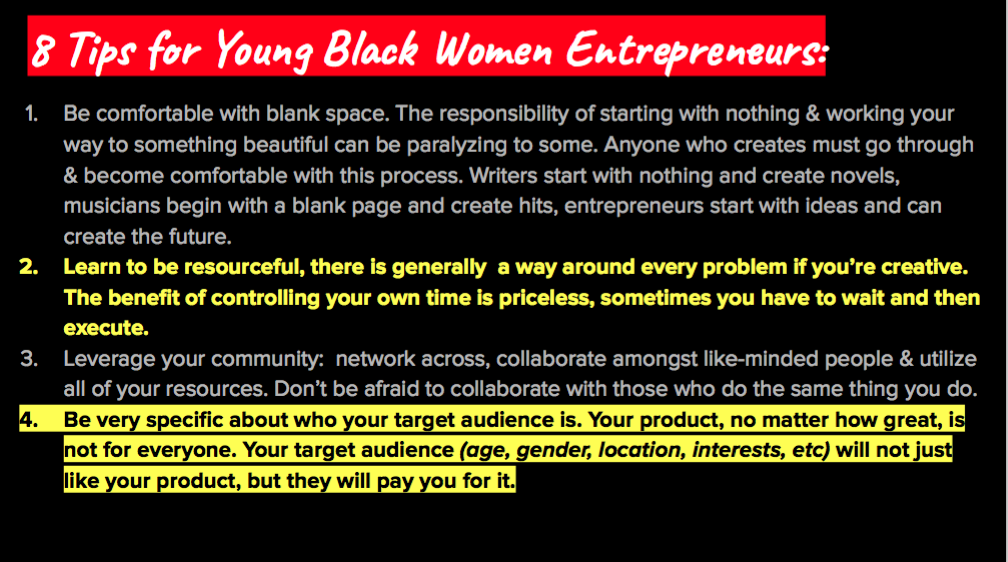
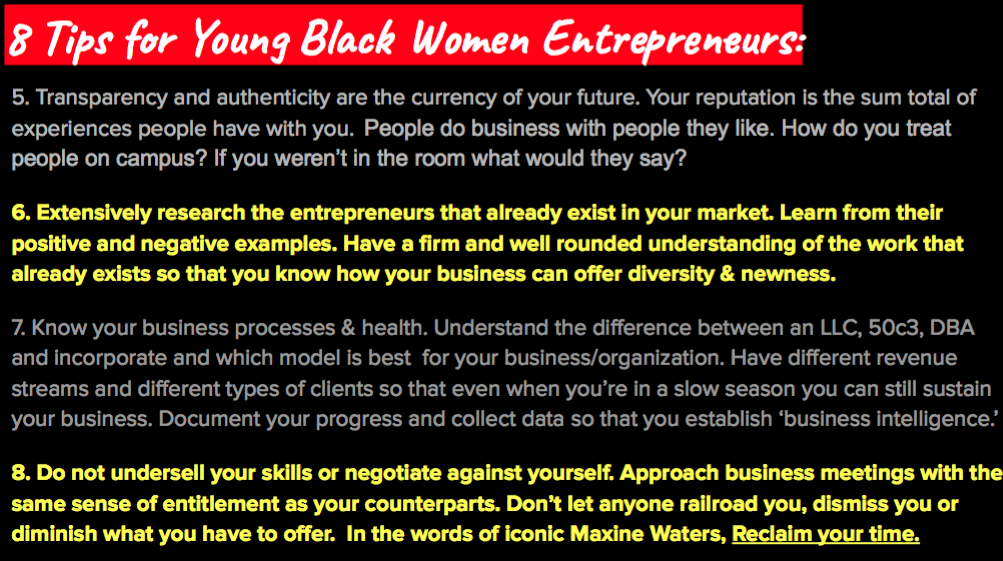
We recently released a Good Girl Guide for Black women that focuses on the intersections of black womanhood, economics, and entrepreneurship.
Here are a few take aways:
Also note, if your goal isn’t to be an entrepreneur, that’s 100% okay. Don’t let social media make you feel like you aren’t doing or aiming high enough. Entrepreneurship isn’t for everyone, sis. We need everyone killing it in their own lane for it all to work. I know for The Good Girl Movement, if I didn’t have my team we would be nothing. Some people’s gifts are to see other people’s vision and bring it to life for them, do you whatever makes you happy whether its starting that business or becoming the President of someone else’s, you’re a boss either way.
Our ultimate goal here is to inspire you to want more for yourself, be more for your community, and do more for the world.

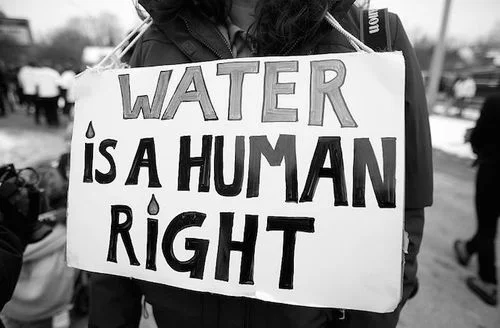
Five Years Since Clean Water
The True National Emergency
We are in a state of emergency.
Since April of 2014 and continuing on in February of 2019, the people of Flint, Michigan, mostly consisting of African-Americans (57%) in which many in Flint are impoverished (40%), have had to hand filter the water they drink and boil the water they bathe in every, single, day.

The governor of Michigan, Rick Snyder, claims ethnicity and class has nothing to do with why Flint’s pipes were neglected to the point where deadly levels of lead were able to seep into important pipelines.
Although Snyder has been reported to have taken some responsibility for the massive clean water drought, his recorded responses still seem to not fully grasp the significance of this situation.
“These are very technical issues. But the lead came to my attention in October, end of September, early October of 2015. We took immediate action, need to do more, did more.” - Snyder
NAACP President, Cornell Brooks, has coined this catastrophe yet another disappointing and frustrating case of Environmental Racism, where those in power deny people of basic necessities due to their personal disdain for people of color and those living in poverty.
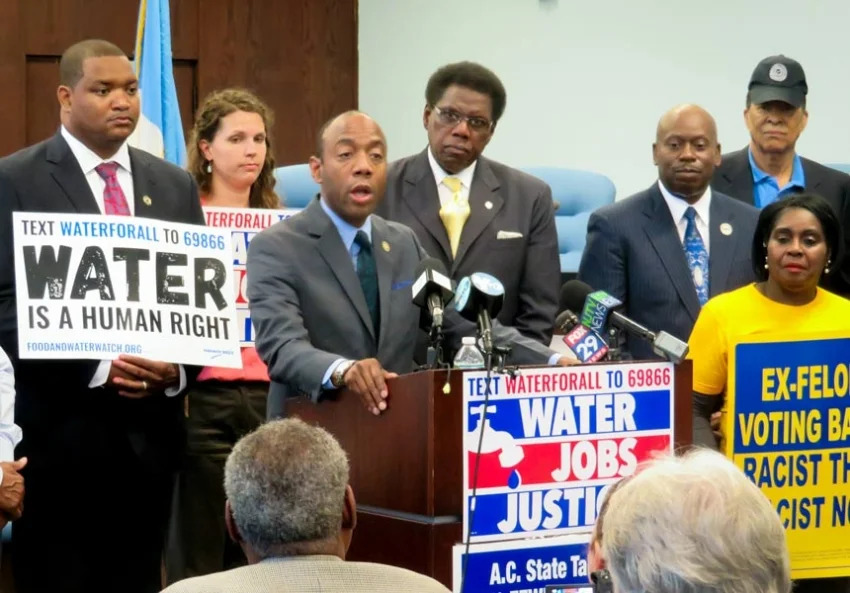
There is little to no way to accept that clean water was denied to Flint, Michigan, the same way it was to those in Detroit, Newark, NJ, and Baltimore, MD, and other U.S. cities highly saturated with African-Americans and poor people for so long, for any real reason other than the color of their skin color, common financial positioning, and unfortunately, overall history with coming last in this country in terms of need.

We have been under attack. Those of us deemed as unimportant, who have to beg for the attention of our states and federal departments to provide us with the lowest of the bare minimum... Clean water
Yes, we the people have been organizing to bring conveniently clean water to these people more than their own city officials have.

Yes, we have been using our voices and platforms to make sure the world knows what is happening to us here.

Yet, the water...in several places all over this country...is still as brown as the skin of those whose needs are consistently ignored.
What else has to happen for all people of this nation to be truly cared for? Or, as per usual, have we yet to reach a time, and place in time where brown skin truly matters?

Let’s Talk Black People
Black History Month is coming to a close so let’s talk black people. Being black is a gift, a privilege only granted to the most elite; it’s like being a part of a secret society of bronzed gods and goddesses who are always overlooked and under-booked, yet everyone secretly wants the password for entry to our club.
Being black means living a lifestyle that most don’t understand.
See, being black means oppression of course. Being black means living amongst your oppressors who refuse to take ownership as being your oppressor, even while they oppress you.
Being black means not getting the job because you’re black, not getting the home loan because you’re black, not getting the raise because you’re black.
Being black means teaching your young son how to avoid being killed when he sees blue lights flashing.
Being black means teaching your young daughter how to love her kinky hair, despite the constant portrayals of beauty in society of women who look nothing like her.
Being black means colorism, gentrification, systematic and institutional racism, and blatant hatred.
Being black means bearing a burden that you know for a fact your children’s children’s children will bear because that’s how life works. Right?
But people forget to mention that being black means blessings. Understand, no black people means no people. Open heart surgery? That was Daniel Hale Williams, he’s black. In need of laser surgery? Patricia Bath helped you out, she’s black. And if you’re like me and appreciate having dry clothes, you can thank George T. Sampson, a black man, for the first clothes dryer.
Being black means being the epitome of Langston Hughes’ poem Mother to Son. We are constantly set up for failure, yet look at us. Still prospering. Still shining. Still doing what we do best: being black, and proud. Despite our struggles, there is no other race black people would rather be than black. Even on our darkest days, our blackness unites us, our struggles bring us together, and our resilience keeps us going.

Kamala Harris 2019
Kamala Harris: Looking into 2020 with 2020 Vision
Kamala Devi Harris. Born from Jamaican and Indian roots, of grandparents who fought for independence and knowledge, parents who fought for their PhDs and political activism; An alumna of a top HBCU, a senator, attorney general, and believed to be an active advocate of minority, women’s, LGBT, education, and major prison reform with the knowledge, and power to actually make change.
Sounds like the resume of quite the modern day superwoman, huh?
While we indeed are always rooting for our own, and there is no argument to be had on why, we must learn to actually examine the person beyond the color of their skin and analyze the real political work of the brown body and the work they will put in for other brown bodies in the nation.
In other words: Just because a woman of color is running for the presidency, we should not blindly vote without doing the research.
Let us measure the stakes:
Mrs. Harris worked with Lateefah Simon from the Center for Young Women’s Development to educate and ultimately save young women at risk, using her law degree to help fight pimps from further brutalizing women and also working closely with child abuse and domestic violence cases.
Later, Harris offered a seemingly ground-breaking idea for the improvement of our criminal justice system. After a non violent first time offender (60% of new felony cases) pleaded guilty, they had the option to join a 12-18 month program of individual support, job training, community service and more. Upon completion, a judge would expunge the felony from their record, giving the second chance many members of our society deserve. This is where her concern for those in need and her passion to change our society brightly shine through.
Yet, great ideas and speech activism are not automatic reasons as to why someone should be the next POTUS.
The question is, who, and what is Kamala Harris the politician? For reals.
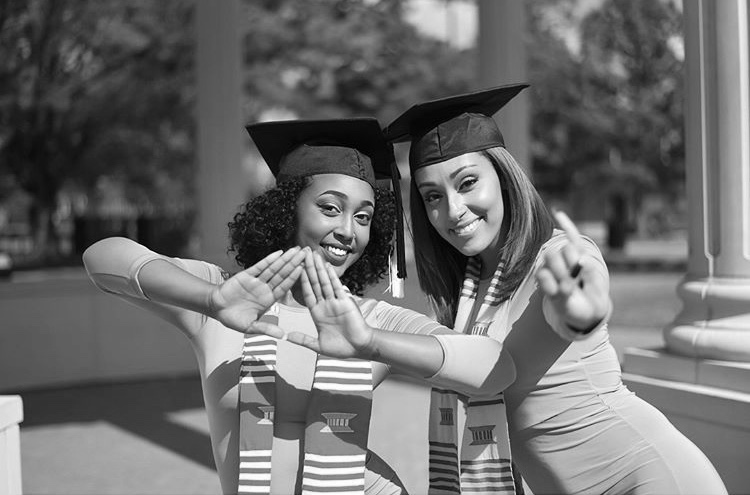
Something Greater Than Ourselves: The Importance of the Divine Nine
This goes out to all the January babies!

During January of EACH and EVERY YEAR (seriously, it never fails), timelines across all social medias are filled with Founders' Day celebration posts from members of our D9 organizations. This month, Zeta Phi Beta Sorority, Inc. celebrates 99 years, Phi Beta Sigma Fraternity, Inc. celebrates 105 years, Delta Sigma Theta Sorority, Inc. celebrates 106 years, Kappa Alpha Psi Fraternity Inc. celebrates 108 years, and Alpha Kappa Alpha Sorority, Inc. celebrates 111 years. The histories of each of these organizations are engrained deep within the history of the Black community, and that's something worth talking about.
If you're looking for game changers, visionaries, or revolutionaries, look at the Divine 9. These organizations were created during a time when African Americans were considered a voiceless people-- it was never that we didn't have much to say, but merely no spaces that allowed our voices be heard. Not only did these organizations curate these spaces, they made sure to share the woes of the Black community, demanding change (on our behalf) from the world around them. From White House lobbyist to non-profit CEO's, our Greek community continues to be committed to the global progression of African Americans.
Now, while January is a rather *popular* month, the D9 wouldn't be complete without Alpha Phi Alpha Fraternity, Inc., who celebrated 112 years in December 2018, Omega Psi Phi Fraternity Inc., celebrating 108 years in November 2019, Sigma Gamma Rho Sorority, Inc., celebrating 97 years in November 2019, and Iota Phi Theta Fraternity, Inc. celebrating 56 years in September 2019.
If you're unfamiliar with Greek life, I encourage you to click the links below to find our more about who they are and their contributions to our communities. By no means are they gods and goddesses that should be given ultimate untouchable praise, but these organizations stand for something much bigger than themselves.
http://zphib1920.org
http://phibetasigma1914.org
https://www.deltasigmatheta.org
https://kap.site-ym.com
http://www.aka1908.com
https://apa1906.net
http://www.oppf.org
https://www.sgrho1922.org
https://www.iotaphitheta.org
This goes out to all the January babies!
During January of EACH and EVERY YEAR (seriously, it never fails), timelines across all social medias are filled with Founders' Day celebration posts from members of our D9 organizations. This month, Zeta Phi Beta Sorority, Inc. celebrates 99 years, Phi Beta Sigma Fraternity, Inc. celebrates 105 years, Delta Sigma Theta Sorority, Inc. celebrates 106 years, Kappa Alpha Psi Fraternity Inc. celebrates 108 years, and Alpha Kappa Alpha Sorority, Inc. celebrates 111 years. The histories of each of these organizations are engrained deep within the history of the Black community, and that's something worth talking about.
If you're looking for game changers, visionaries, or revolutionaries? Look at the Divine 9. These organizations were created during a time when African Americans were considered a voiceless people-- it was never that we didn't have much to say, but merely no spaces that allowed our voices be heard. Not only did these organizations curate these spaces, they made sure to share the woes of the Black community, demanding change (on our behalf) from the world around them. From White House lobbyist to non-profit CEO's, our Greek community continues to be committed to the global progression of African Americans.
Now, while January is a rather *popular* month, the D9 wouldn't be complete without Alpha Phi Alpha Fraternity, Inc., who celebrated 112 years in December 2018, Omega Psi Phi Fraternity Inc., celebrating 108 years in November 2019, Sigma Gamma Rho Sorority, Inc., celebrating 97 years in November 2019, and Iota Phi Theta Fraternity, Inc. celebrating 56 years in September 2019.
If you're unfamiliar with Greek life, I encourage you to click the links below to find our more about who they are and their contributions to our communities. By no means are they gods and goddesses that should be given ultimate untouchable praise, but these organizations stand for something much bigger than themselves, so I encourage you to give it a read.
http://zphib1920.org
http://phibetasigma1914.org
https://www.deltasigmatheta.org
https://kap.site-ym.com
http://www.aka1908.com
https://apa1906.net
http://www.oppf.org
https://www.sgrho1922.org
https://www.iotaphitheta.org
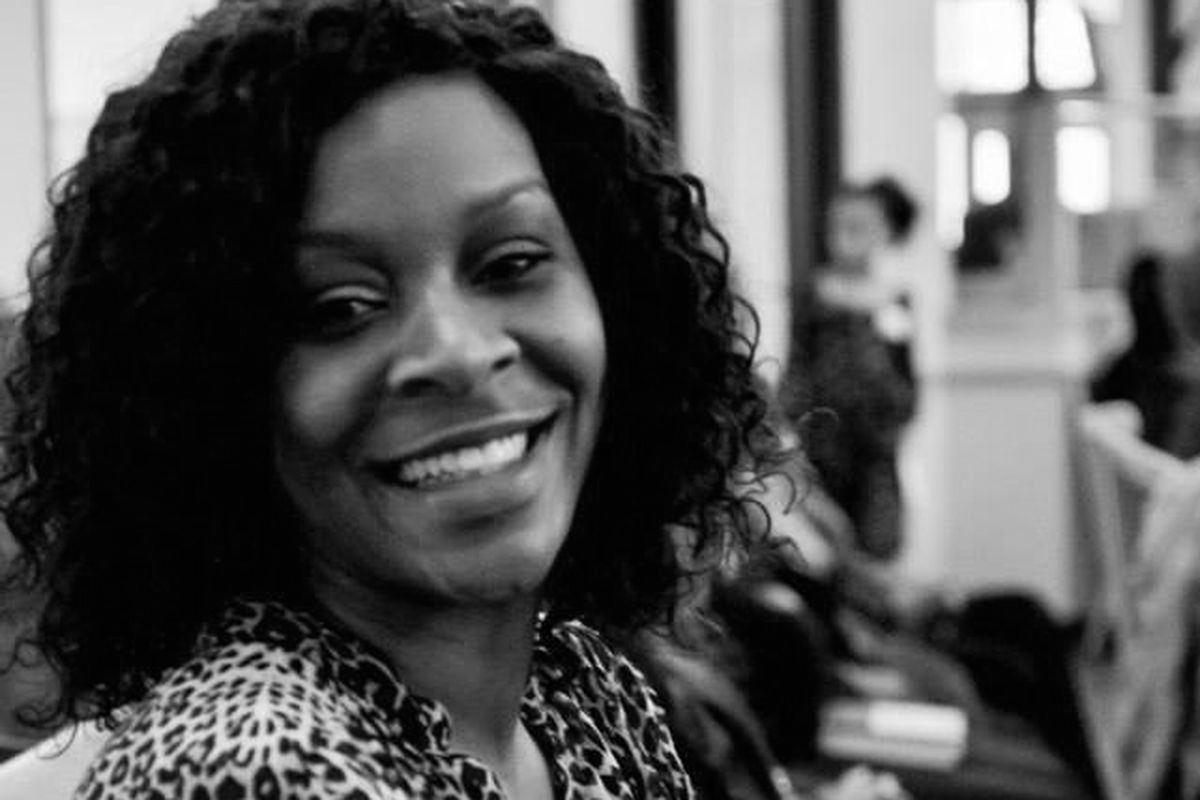
FUBU the Documentary Industry, please.
FUBU the Documentary Industry, please.

On December 3rd, “Say Her Name : The Life and Death of Sandra Bland” will premiere on HBO Go and Now at 10pm. We all know the Sandra Bland story as we refreshed our timelines constantly to see the latest updates and puzzle pieces to the mystery that still has yet to be solved. This documentary will either succeed greatly or fail miserably and there is no need to sugarcoat why… the director and producer are white.
Kate Davis and her husband, David Heilbroner, are not new to the documentary life, especially in subject matter pertaining to black people. They were nominated for a 2018 Academy award for their short film “Traffic Stop” involving a black person being pulled over for a traffic stop that resulted in an arrest. Even though this may give the husband and wife duo brownie points and “wisdom” because they’ve already created a work about another big issue in the black community, folks aren’t trusting them with telling a story that still has yet to be solved.

Some are still searching for the relevance behind sharing this story, especially because it seems as though the justice system is still searching or actually given up on the search on discovering what really happened to this woman.
The sincerity of these people telling Bland’s story also comes into play. Are they simply capitalizing off the raw emotions from the family members or do they actually empathize with their pain and sorrows?
Family, this is why we need black journalists and film directors telling our stories. No longer can we allow those who do not directly know what it feels like to be Black in America tell our stories. We cannot give the power of the pen to those who can so easily re-write our stories and not properly display the truths and ideals that are woven into the patchwork of our culture.
If you chose to watch this documentary, watch it a few times. First, hear and understand the story. Second, examine how interviews are clipped and what parts are displayed. Pay attention to all angles presented and catch anything that doesn’t sit well with you. Take notes and be ready to write the rest of our stories.

All Girl. All Pimp.
Honeyyyyyyyyy! Have you heard?
Keke Palmer is bringing the spice with her new film, Pimp!
Showcasing her versatility and exceptionality as an actress, we see a side of Palmer that we’ve neeeeever seen before. Executive produced by Lee Daniels (with hits such as Precious and The Butler), Palmer plays the role of a lesbian pimp, hustlin’ and finessin’ the streets of the Bronx to survive.

What’s probably the most interesting is that on Palmer’s Instagram post, she says she’s been working on this film since she was….wait for it….18, and sis is 25 now.
Can we talk about g r o w t h?
So often, African American actresses are boxed into filling certain roles, and ONLY those roles. It’s as if Hollywood doesn’t see us as being anything other than XYZ. But we can count on Palmer to save the day! Breaking not only color barriers but gender barriers as well, how many lesbian pimp movies have you seen, or even heard of? Exactly.
Releasing in theaters and on demand November 9, we can’t wait to see exactly how limitless and timeless she becomes!

“We can analyze people all the way down to the bone, but it doesn’t stop them from being who they are, everyone deserves to be seen.” The Good Girls definitely agree with you, Keke.
Wells Blog
Duis mollis, est non commodo luctus, nisi erat porttitor ligula, eget lacinia odio sem nec elit. Maecenas faucibus mollis interdum. Nulla vitae elit libero, a pharetra augue.