
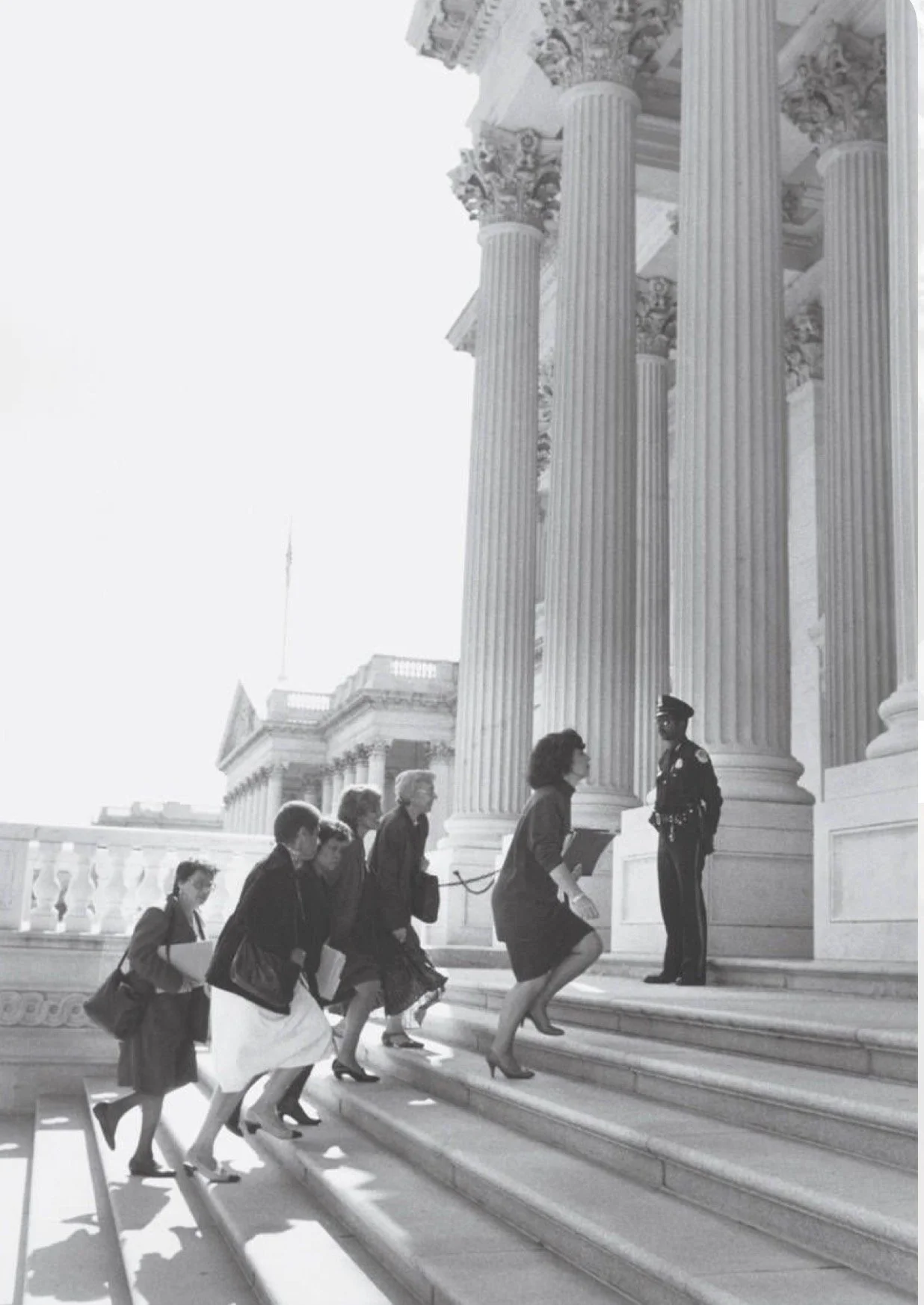
The Political Issues Still Impacting Black Women in 2026: How We Organize for Our Power
Black women are stepping into 2026 with a clear understanding that the political landscape is shifting beneath our feet. The policies shaping this moment are not distant headlines, they are decisions that touch our bodies, our paychecks, and our ability to build stable lives. This piece looks at the forces reshaping our futures and the power we hold when we organize, speak up, and refuse to be pushed to the margins.
Black women have always been the backbone of American democracy. We are the organizers, the strategists, the caretakers, the cultural architects. Yet, in 2026, we are navigating a political landscape that continues to undermine our safety, our autonomy, and our economic stability. From the sweeping implications of Project 2025 to the ongoing fight for reproductive justice, the policies shaping this moment are not abstract. They are lived. They are felt. They are reshaping the daily realities of Black women across the country.
One of the clearest signs of this shift is the disappearance of more than 300,000 Black women from the workforce in 2025. That loss wasn’t accidental. It was the result of policy choices, economic pressures, and the erosion of protections that once helped us stay afloat. And the impact of that displacement is still unfolding in 2026.
This moment demands clarity, courage, and collective action. Here’s what we’re facing and how we continue to build power in the midst of it.
Project 2025 and the Restructuring of Federal Power
Project 2025 is not just a policy agenda. It is a coordinated effort to reshape the federal government in ways that weaken civil rights protections, restrict bodily autonomy, and roll back decades of progress. By the end of 2025, many of its recommendations were already in motion, and the effects are landing hardest on Black women.
The rollback of civil rights and DEI protections means fewer safeguards against discrimination in hiring, pay, housing, and education. For Black women, who already face the widest wage gaps, this deepens economic vulnerability. Attacks on reproductive rights further limit our ability to make decisions about our bodies and our futures. Narrowing definitions of gender and race threatens the safety and legal protections of Black LGBTQ+ women and girls. And weakening labor enforcement agencies leaves us more exposed to wage theft, harassment, and unsafe working conditions.
These shifts are directly connected to the disappearance of 300,000 Black women from the workforce. When civil rights enforcement weakens, when childcare becomes unaffordable, when wages stagnate, when public-sector jobs are cut, Black women are the first to feel the impact. The consequences are long-term: loss of income, loss of generational wealth, reduced access to healthcare, and shrinking representation in leadership spaces. Project 2025 is not just shaping government. It is reshaping the economic landscape Black women must survive in.
Abortion Access and the Fight for Reproductive Justice
Reproductive justice remains one of the most urgent political battles of 2026. After the fall of Roe, states with large Black populations enacted some of the harshest abortion bans in the country. Today, nearly seven million Black women live in states where abortion is banned or severely restricted.
This crisis hits Black women hardest because we already face the highest maternal mortality rates in the nation. Many of us live in maternity care deserts with limited access to OB-GYNs or birthing centers. Restrictions on medication abortion and mail-order access disproportionately affect low-income and rural Black women. And the criminalization of pregnancy outcomes increases surveillance of Black mothers, especially those navigating poverty or unstable housing.
Reproductive justice and economic justice are inseparable. When Black women lose control over our reproductive lives, we lose control over our economic futures. Many of the 300,000 Black women pushed out of the workforce in 2025 were navigating unpredictable childcare, pregnancy-related health risks, lack of paid leave, and job discrimination tied to caregiving. Abortion access is not a single-issue fight. It is a fight for our autonomy, our safety, and our ability to build stable, thriving lives.
Economic and Health Inequities Deepened by Policy
Black women have always worked. We have always carried more than our share. But in 2026, the economic landscape is even more precarious.
We are still navigating wage gaps that have barely moved in decades. Cuts to public health funding reduce access to preventive care and culturally competent providers. Environmental rollbacks increase pollution in Black neighborhoods, worsening asthma, cancer risks, and chronic illness. Threats to SNAP, Medicaid, and childcare subsidies destabilize families who already carry the weight of caregiving and community support.
The racial wealth gap continues to increase debt burdens, and pushed more families into housing insecurity. It has also reduced the number of Black women in leadership pipelines, which means fewer of us in rooms where decisions are made. This is not just an economic issue. It is a political one. Policies created the crisis. Policies can also undo it.
How Black Women Can Stay Involved and Make Our Voices Heard
Even in the face of systemic barriers, Black women have always organized, strategized, and led. Our power is collective, cultural, and deeply rooted. And in 2026, our voices matter more than ever.
Staying informed is a form of protection. Following Black-led policy organizations, hosting political check-ins with friends, and sharing resources in our group chats and community spaces helps us stay grounded in the truth of what’s happening around us.
Voting in every election, especially local ones, is essential. Local governments determine abortion access, school curriculum, policing, housing, and public health funding. These decisions shape our daily lives more than most federal agencies ever will.
Supporting Black women–led advocacy organizations strengthens the work happening on the ground. Groups like In Our Own Voice, Black Women’s Health Imperative, SisterSong, and local reproductive justice collectives are fighting for our safety and our futures.
Contacting representatives is still one of the most effective tools we have. It takes minutes to call or email and say clearly that you oppose policies restricting reproductive freedom, that you support civil rights protections, and that you expect your leaders to protect Black women’s health, safety, and economic stability.
Finally, building community power is how we’ve always survived. Civic circles, town halls, voter registration drives, mutual aid networks, mentorship for younger Black girls stepping into their political voice, these are the spaces where our power multiplies.
Black women have always been the architects of change. We don’t wait for permission. We build the world we need.
What are some of the political concerns you have for 2026 and how is it impacting your friends, family, and neighborhoods?

When Hunger Is Political: Trump’s Attack on SNAP Is an Attack on Us
The Trump administration just tried to block full SNAP payments—again. This isn’t a budget issue. It’s a calculated attack on Black women, caregivers, and working-class families who rely on food assistance to survive. While they play politics with our plates, The Good Girl Movement is showing up with groceries, resources, and truth. Because when they try to starve us, we feed each other.
Tonight, while families were figuring out how to stretch groceries through the weekend, the Trump administration was busy trying to snatch food off our tables. Again.
After a federal judge ruled that the government must issue full November SNAP benefits—because yes, people are hungry and the shutdown is still hurting.. Trump’s team filed an emergency appeal to overturn the decision. Let’s be real: this isn’t about budgets. It’s about control. It’s about cruelty, and it’s about punishing the people who’ve always carried this country on our backs.
We’re talking about Black people. Black women. About single mothers. About grandmothers raising grandbabies. About students, caretakers, and essential workers who are expected to survive on scraps while billionaires get tax breaks and bailouts. About anyone who does not fit into the mold of white supremacy.
This isn’t just policy. It’s violence.
What Trump’s SNAP Attack Really Means
It means millions of families, disproportionately Black and brown, could go without food this month.
It means Black women, who are more likely to be heads of household and caregivers, are once again being told our survival is optional.
It means the government is willing to let children go hungry to prove a political point.
What The Good Girl Movement Is Doing
We’re not just mad, we’re mobilizing. We’ve updated our SNAP Benefits Resource List with:
Emergency food access programs
Black-owned grocers and co-ops
Advocacy contacts to demand accountability
What We’re Calling In
We’re not just reacting. We’re reclaiming—and we’re showing up.
We demand care that doesn’t come with conditions. Our communities deserve full benefits, full dignity, and full protection—no exceptions.
We build our own safety nets. From our SNAP Benefits Resource List to our Civic Circles, we’re creating what the government refuses to provide.
We center Black women’s survival as non-negotiable. Not just in policy, but in practice. In every room, every budget, every decision.
We move with urgency and intention. This isn’t charity. It’s strategy. It’s legacy. It’s love.
And tomorrow, we’re serving our people. The Good Girl Movement will be distributing groceries to families in DC, because when Trump tries to starve us, we feed each other. We show up. We pour back. We protect what’s ours.

The Silencing of a Generation: Why Teen Vogue’s Politics Layoffs Are a Step Backward
The decision to eliminate Teen Vogue’s politics team amid its merger with Vogue isn’t just a staffing change, it’s a silencing of young, progressive voices. For years, Teen Vogue empowered women aged 17 to 30 with political education, cultural critique, and unapologetic advocacy. In a time when right-wing media spreads prejudice and misinformation, and young women are seeking spaces to learn, lead, and be heard, this move feels like a step backward. It’s more than a loss.. it’s a warning.
The recent decision by Condé Nast to lay off Teen Vogue’s politics staff amid its merger with Vogue.com marks a troubling shift in youth-centered journalism. Teen Vogue, once heralded as a bold and progressive publication that bridged the gap between fashion and political consciousness, is now being absorbed into a brand that has historically prioritized luxury over activism. This move not only eliminates a vital editorial team, it signals a broader cultural dismissal of young voices, particularly those of women aged 17 to 30, who have relied on Teen Vogue as a space for education, empowerment, and representation.
A Platform That Dared to Educate
Teen Vogue’s transformation over the past decade was nothing short of revolutionary. It evolved from a conventional teen fashion magazine into a publication that unapologetically tackled issues such as systemic racism, reproductive rights, climate justice, and LGBTQ+ advocacy. It became a trusted source for young readers seeking to understand the world around them, offering accessible, nuanced coverage of public policy, history, and social movements. While they didn’t always get it right, it opened the door for many conversations that otherwise wouldn’t have been had on that platform.
The politics desk played a central role in this evolution. It provided critical analysis, amplified marginalized voices, and created space for young journalists to write about the issues that mattered most to their generation. Teen Vogue’s political coverage was not an accessory to its brand, it was its backbone. Removing this team strips the publication of its most vital function: educating and empowering young women to engage with civic life.
The Impact on Young Women and Marginalized Communities
The decision to eliminate Teen Vogue’s politics team comes at a time when young women, especially Black, brown, queer, and trans women, are facing unprecedented challenges. From rising book bans and attacks on reproductive rights to the spread of disinformation and the rollback of civil liberties, the need for youth-centered political journalism has never been more urgent.
Teen Vogue was one of the few mainstream platforms that spoke directly to these communities. It offered stories by and for young people, creating a sense of belonging and validation that is often missing in traditional media. The loss of this editorial team means fewer opportunities for young women to see themselves reflected in political discourse. It means fewer chances to learn about public policy in language that resonates. It means fewer pathways into journalism for those who have historically been excluded.
This decision also coincides with a missed opportunity for Vice President Kamala Harris to ascend to the presidency—a moment that could have symbolized progress for women in leadership. Instead, the media landscape is contracting, and the voices of young women are being pushed further to the margins.
A Dangerous Precedent in Media Consolidation
The merger with Vogue.com is emblematic of a larger trend in media consolidation, where youth-focused and progressive outlets are absorbed into more commercial entities. This often results in the dilution of editorial independence and the erasure of radical voices. Vogue, while influential in fashion, has not demonstrated a commitment to the kind of political engagement that Teen Vogue championed. The merger raises serious concerns about the future of youth journalism and the editorial freedom of writers who seek to challenge the status quo.
By prioritizing profitability over purpose, Condé Nast is setting a dangerous precedent. It suggests that political education for young people is expendable, that the voices of emerging generations are less valuable than brand alignment, and that the pursuit of justice can be sidelined for the sake of corporate synergy.
What This Means for the Future
The layoffs at Teen Vogue are not just a staffing decision, they are a cultural statement. They reflect a media environment that is increasingly hostile to youth-led activism and progressive thought. For young women who aspire to become policy makers, historians, or journalists, the loss of this platform is a setback. It removes a critical space where they could learn, grow, and contribute.
Without platforms like Teen Vogue’s politics desk, the burden of political education falls heavier on grassroots organizations, independent media, and social networks, spaces that are often underfunded and vulnerable to censorship. The absence of institutional support for youth journalism means that the next generation will have fewer tools to navigate an increasingly complex world.
A Call for Accountability and Action
This moment demands reflection and response. Media companies must be held accountable for the decisions they make and the communities they impact. The silencing of young voices cannot be normalized. Instead, it must be challenged with renewed investment in youth-led media, mentorship for emerging journalists, and platforms that prioritize education over entertainment.
Teen Vogue’s politics team may no longer have a seat at the table, but their legacy endures. The stories they told, the movements they supported, and the readers they inspired will continue to shape the future. It is now up to the rest of the media ecosystem—and to all of us—to ensure that young women are not just seen, but heard.
BLACK GIRLS ARE NOT THE BUTT OF YOUR RACIST JOKE
When a Black girl is called a slur and people laugh, it’s not just a joke, it’s violence. It happens to Black women every day. These moments aren’t isolated; they’re part of a long legacy of dehumanization, silence, and complicity. We’re done tolerating harm disguised as humor. We’re calling it out, de-platforming it, and protecting Black girls at all costs. Because we are not your punchline — and we never were.
We’re Not Laughing — We’re Tired
There’s a moment that many Black girls know too well: the room goes quiet, someone says something racist, and then — laughter. Not just from strangers, but from peers. From people who claim to be allies. From people who should know better.
Recently, Olandria Carthen, Love Island breakout star, was laughed at after being called a racial slur on someone else’s live. We will not name the individual who laughed — because they do not deserve our platform, but we will name the harm. What happened was not just inappropriate. It was violent.
While this happened to Olandria, it happens to Black people, and especially Black women — every single day. In classrooms, on social media, in workplaces, in friend groups.
The question is: when is enough enough?
Racist jokes are not only harmful, they are rooted in centuries of dehumanization, and when you laugh at them, or stay silent, you become complicit in that harm. For Black girls and women, these moments are not isolated. They are part of a long history of being stereotyped, dismissed, and disrespected.
This post is not a request for kindness. It’s a demand for accountability. Because Black girls are not the butt of your joke. We never were.
The History Behind the Slurs
The N-word is not just a word. It is a weapon forged in slavery, sharpened during Jim Crow, and still wielded today. It was used to dehumanize, to justify violence, to strip Black people of dignity and identity. For Black women, the slur carries an added layer of misogynoir. The intersection of racism and sexism that uniquely targets us.
Historically, Black women were labeled with slurs and stereotypes to justify their exploitation. These weren’t just insults, they were and still are tools of control.
“Breeders”: During slavery, Black women were reduced to reproductive property. They were not seen as mothers, but as vessels to produce more enslaved laborers. Their bodies were commodified, their autonomy erased, and their humanity denied. This legacy still echoes today in how Black women’s reproductive choices are policed and pathologized.
“Wenches”: This term referred to young Black women who were hypersexualized and often targeted for sexual violence. It was used to justify rape and exploitation by framing Black women as inherently promiscuous and available. This stereotype laid the foundation for the “Jezebel” trope, a myth that still influences how Black women are treated in media, healthcare, and the justice system.
“Mammies”: The mammy stereotype depicted Black women as loyal, nurturing, and self-sacrificing caretakers of white families. It erased our autonomy and reduced us to labor and emotional support for everyone but ourselves. It reinforced the idea that Black women exist to serve, not to be served — a narrative that still shows up in workplaces, friendships, and activism spaces.
These terms weren’t just offensive. They were functional. They shaped laws, social norms, and cultural narratives that still affect how Black women are seen and treated today.
The Stereotypes That Still Harm Us
Black women are constantly navigating a minefield of stereotypes that shape how we’re perceived, punished, and policed.
The Mammy: Erases our needs and casts us as caretakers for everyone but ourselves.
The Jezebel: Hypersexualizes us and denies us protection.
The Angry Black Woman: Silences us by framing our valid emotions as aggression.
Adultification: Treats Black girls as older, less innocent, and more responsible than their peers, leading to harsher discipline, less empathy, and increased vulnerability to abuse.
These stereotypes are not relics of the past. They show up in classrooms, workplaces, hospitals, and social spaces. They shape how Black girls are treated — and how they are harmed.
Microaggressions Are Not Minor
“You’re so articulate.”
“You don’t act Black.”
“I was just playing.”
“I didn’t mean it like that.”
“Can I touch your hair?”
AND YES… LAUGHING AT SOMEONE BEING CALLED A RACIAL SLUR.
These comments and actions may seem small, and many will deem them as harmless. However, they are reminders that we are being watched, judged, and othered. They are constant signals that we are not fully accepted, that we are tolerated, not celebrated.
Microaggressions are not minor. They are cumulative. They chip away at our confidence, our safety, and our sense of belonging. And when they’re dismissed as “not that serious,” the harm is doubled.
We’re Not Taking It Anymore
We are not taking:
Your racist jokes
Your silence when harm happens
Your defensiveness when called out
Your expectation that we educate you while being disrespected
Your discomfort when we speak truth to power
We are not shrinking to make you comfortable. We are not laughing along to keep the peace. We are not tolerating harm dressed up as humor.
This space is not neutral. It is protective. It is intentional. It is ours.
De-platforming Is Accountability
Calling out racism is not enough — we must also de-platform it.
That means:
Unfollowing people who perpetuate harm
Unsubscribing from creators who mock, stereotype, or silence Black voices
Refusing to share content that uses racism for engagement
Condemning hate publicly, not just privately
Visibility is power. When we continue to give attention to people who harm Black women, we reinforce their platform. We must be intentional about where our energy, clicks, and dollars go.
If someone laughs at a slur, they are not “just messy” — they are dangerous and they do not deserve our views, our likes, or our silence.
What Accountability Looks Like
Accountability is not a performance. It’s not a rushed apology or a defensive explanation. It’s listening. It’s owning the harm. It’s changing behavior. It’s understanding that your intent doesn’t erase our impact.
If you cross the line, expect to be called out. Expect to be held accountable. Expect to be uncomfortable — because growth is uncomfortable.
And if you truly want to do better, start by supporting the work already being done by Black women and girls.
Support These Organizations
If you’re serious about change, put your money, time, and voice behind it.
The Loveland Foundation – Therapy for Black women and girls
Black Girls Smile – Mental health advocacy
The Good Girl Movement – Empowering Black girls through community and culture
Color of Change – Racial justice campaigns
Sisters Mentally Mobilized – Mental health and leadership for Black women
Final Words
Black girls deserve joy.
Black girls deserve safety.
Black girls deserve to be seen, heard, and protected.
We are not the butt of your joke. We are the backbone of this culture. And we are done being disrespected.
PS… We are riding for every black girl who has endured this type of hate.

300,000 Black Women Pushed Out.
Nearly 300,000 Black women have been pushed out of the workforce—and the silence around it is deafening. This blog is a rally cry, a strategy guide, and a love letter to every woman navigating the pivot. We name the injustice, honor the brilliance, and offer real tools for rebuilding on our terms. The Good Girl Movement isn’t watching from the sidelines, we’re building the future now.
In the last quarter alone, nearly 300,000 Black women have been pushed out of the workforce. Not by accident. Not by coincidence. But by a system that still treats our labor as expendable and our brilliance as optional.
These aren’t just numbers. These are mothers, daughters, organizers, educators, strategists, assistants, analysts, creatives, and caretakers. These are women who held up entire departments, entire communities, entire families. Now, we’re being told — quietly, cruelly.. that there’s no room.
Let’s add some truth here: Black women are the most educated demographic in America. We’ve earned more degrees, certifications, and credentials than any other group. We’ve built careers in spaces that were never designed for us. We’ve led with excellence, even when underpaid, overlooked, and overburdened.
So when 300,000 of us are suddenly “missing” from the labor force, it’s not a mystery. It’s a message.
The Message?
That DEI was never meant to be permanent (it wasn’t created with us in mind anyway). That our presence was conditional. That when budgets shrink, our seats are the first to vanish.
But here’s our response: We’re not vanishing. We’re pivoting.
What does a pivot look like for us?
• Freelance strategy and consulting: We’re monetizing our brilliance, not waiting for permission.
• Creative ownership: We’re launching movements, not just joining orgs.
• Community building: We’re creating networks that don’t rely on gatekeepers.
• Rest and recalibration: We’re reclaiming our time; not as a luxury, but as a necessity.
It looks like The Good Girl Movement; where advocacy meets authenticity, and Black women are centered not just as subjects, but as architects.
How do we stay calm in the chaos?
• We remember that this moment is not a reflection of our worth. It’s a reckoning with a system that was never built to hold us.
• We breathe. We gather. We speak. We build.
• We protect our peace and our IP.
• We lean into joy.. not as a distraction, but as resistance.
We remind each other:
• You are not unemployed. You are in transition.
• You are not behind. You are being rerouted.
• You are not alone. You are part of a legacy.
Call to Action: Build With Us
If you’re one of the 300,000, or if you’re watching this moment unfold and wondering what to do, here’s where to start:
• Share this post with someone who needs to feel seen.
• Join The Good Girl Movement’s mailing list to stay connected as we build.
• Submit your story: We’re collecting real experiences from Black women in transition. Your voice matters.
• Support Black women-led businesses, not just with likes, but with dollars.
• Rest. Reclaim. Rebuild. On your terms.
We’re not waiting for the system to catch up. We’re building the future now.
Say Her Name: Honoring the Black Women and Girls We Lost on 9/11
Black women and girls were among the nearly 3,000 lives lost on 9/11, but their stories are too often left untold. From 11-year-old Asia Cottom to flight attendant Wanda Anita Green, these women were mothers, daughters, pioneers, and dreamers. This piece honors their lives, their legacies, and calls for a more inclusive remembrance. Because saying her name is more than tribute, it’s justice..
Every September 11th, we pause. We remember. We mourn. But for many of us—Black women especially—this day carries a quiet ache. Because while the nation grieves, our sisters’ names are often left out of the story.
Black women and girls died on 9/11 too. They were in the towers, in the Pentagon, on the planes. They were professionals, students, mothers, daughters, dreamers. And yet, when the documentaries roll and the memorials are read, their faces are rarely shown. Their stories are rarely told.
It’s time we change that.

Our Sisters Deserve to Be Remembered
Let’s say their names.
Asia Cottom, just 11 years old, was on her way to a National Geographic science trip when Flight 77 hit the Pentagon. She was brilliant, curious, full of promise. Her parents still speak of her light.
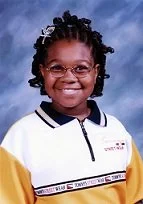
Joan Donna Griffith, a mother working in the South Tower, never made it home. Her daughter, Paula Edgar, watched the towers fall from across the country, unable to reach her family. Joan was a nurturer, a provider, a woman who held her family together.
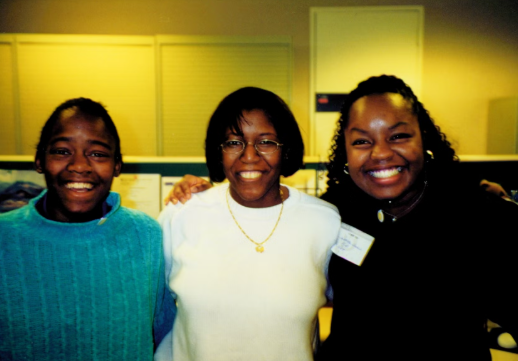
Amelia V. Fields, a civilian secretary at the Pentagon, had just started her job. Her husband had baked her a birthday cake that morning. She never got to taste it.
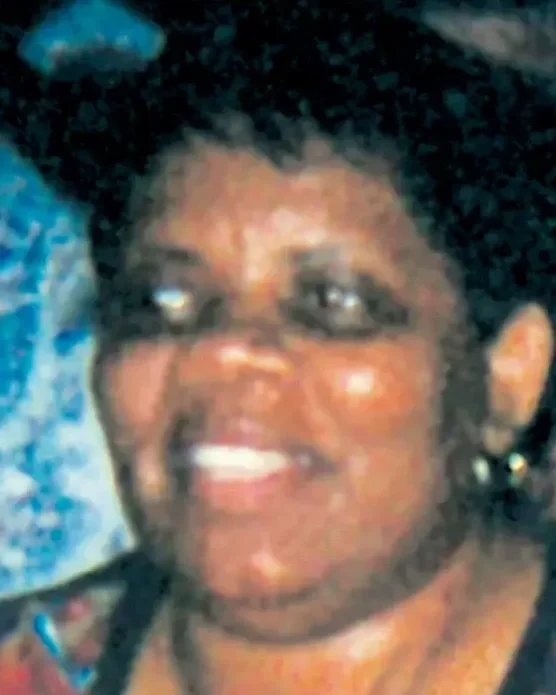
Sara M. Clark, 65, was flying to Los Angeles to get married. She and her fiancé had just picked out wedding bands. Her love story ended in tragedy.
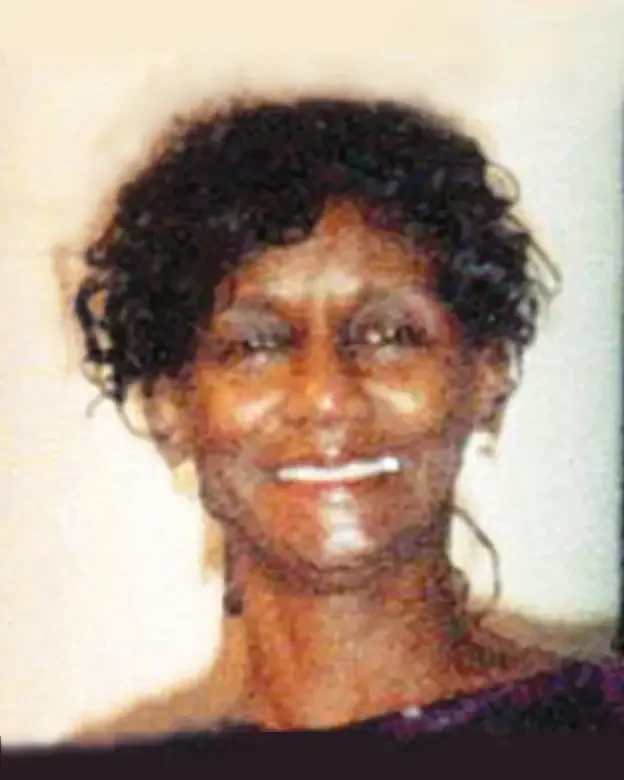
And we must remember Wanda Anita Green, a trailblazing flight attendant on United Flight 93. Wanda was one of the first Black women to work for United Airlines, serving for 29 years. She was a mother of two, a church deacon, a real estate agent, and a woman who dreamed of opening her own business. She was substituting for another attendant that day, planning to visit her family in Oakland after the flight. Her mother, Aserene Smith, had called her the night before to say, “I love you. I’ll see you tomorrow.” Wanda never made it.
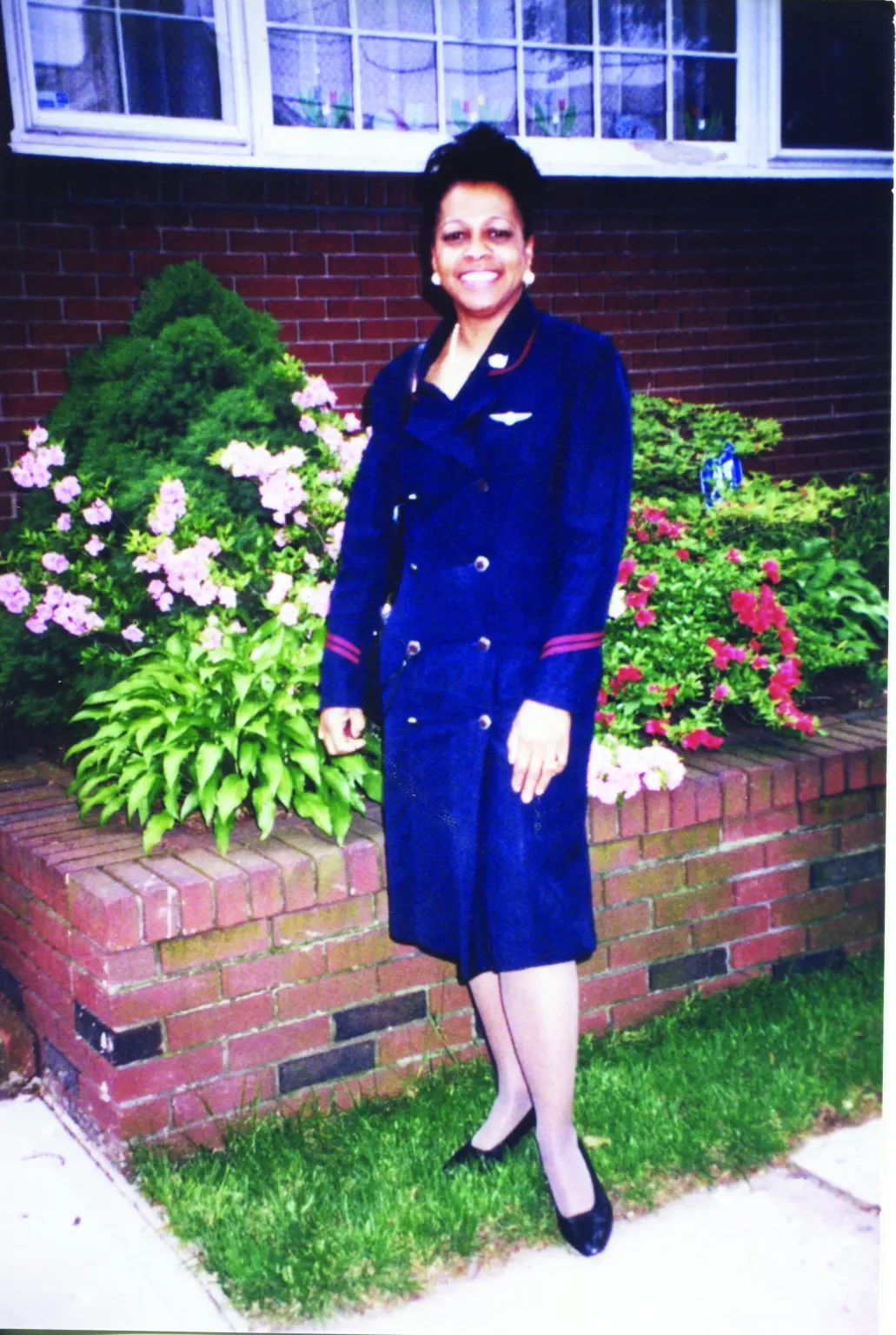
These women were more than victims. They were vibrant, powerful, and deeply loved. Their lives mattered. Their deaths shook families, churches, communities. And their absence is still felt today.
“The Dust Lady” and the Weight of Survival
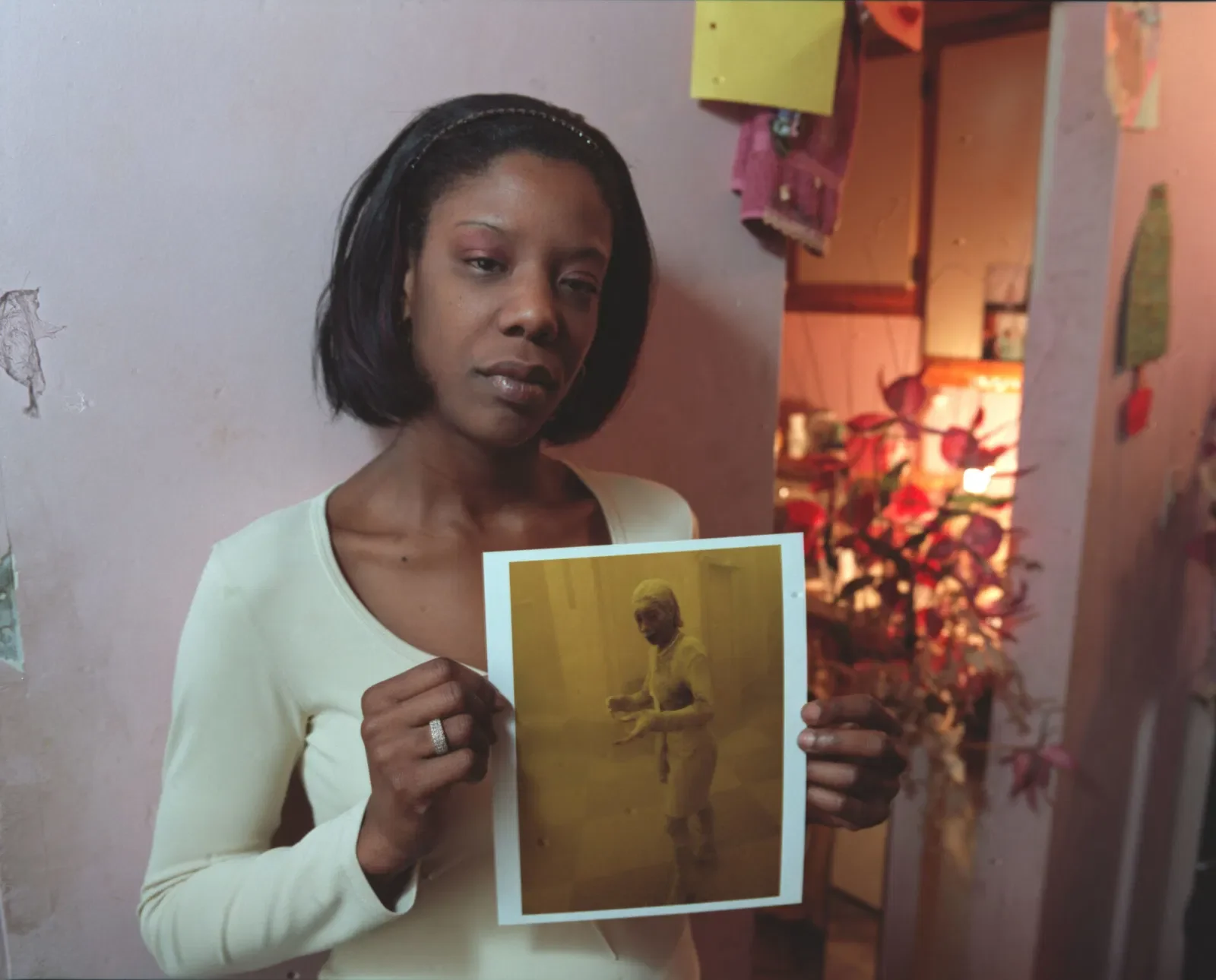
We also remember Marcy Borders, known to the world as “The Dust Lady.” That haunting photo of her covered in ash became a symbol of survival. But survival came at a cost. Marcy battled trauma, addiction, and eventually cancer, likely caused by the toxins she inhaled that day. She died in 2015, still carrying the weight of 9/11 in her body and spirit.
Her story reminds us that surviving doesn’t mean healing and that Black women often carry pain in silence, unseen and unsupported.
Why Our Stories Must Be Told
Let’s be real: Black folks have always been part of America’s story, even when we’re written out of it. We were there on 9/11. We died. We survived. We grieved. But when Time Magazine released its Beyond 9/11 issue, not one identifiable Black American was featured. Not one.
This kind of erasure is not just oversight, it’s injustice. It tells our children that their lives don’t matter in moments of national tragedy. It tells our communities that our grief is invisible.
But we know better. We know that remembrance is resistance. That saying her name is an act of love. That honoring our sisters is how we heal.
A Call to Action
So today, The Good Girl Movement calls on all of us—Black women, allies, educators, journalists, and leaders to do better.
Include Black victims in memorials, museums, and media.
Support families still grieving and seeking recognition.
Teach our children the full truth of 9/11, including the Black lives lost.
Create spaces where our grief is honored and our stories are told.
Because our sisters deserve more than silence. They deserve legacy.
Let this be the year we say their names. Let this be the year we remember them fully. Let this be the year we make space for Black women in history not just in tragedy, but in truth.

The Summer I Turned Into a Good Girl
A love letter to Black women and girls becoming, unbecoming, and becoming again through education, evolution, and self-love.
A love letter to Black women and girls becoming, unbecoming, and becoming again through education, evolution, and self-love.

This summer wasn’t just about sunshine and soft life.
It was about transformation. Quiet, radical, sometimes messy, but always sacred. It was the summer of shifting perspectives, of choosing softness, of letting go of who she thought she had to be and leaning into who she’s becoming.
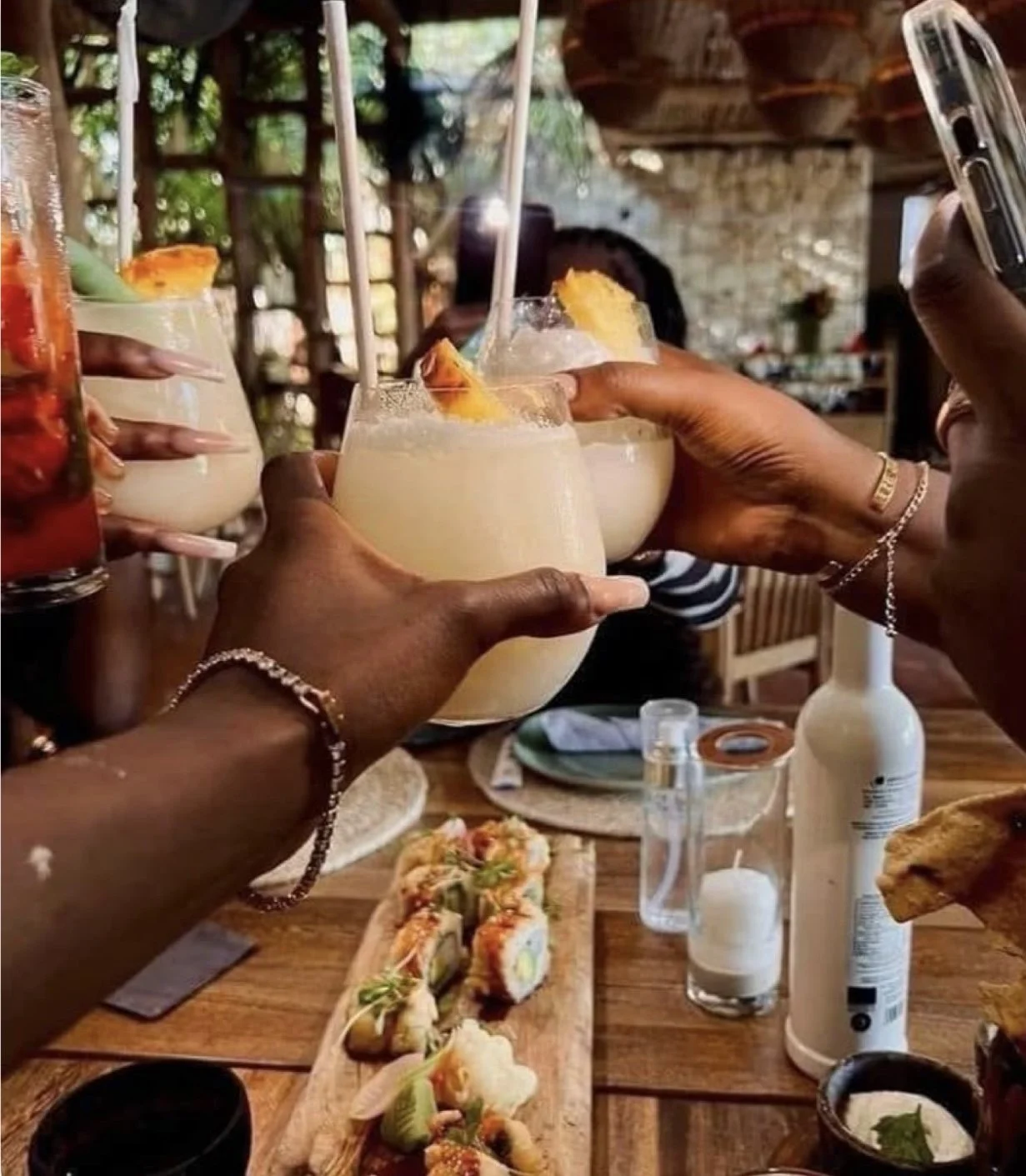
It was the summer of rooftop brunches with friends who feel like soulmates.
Of iced matcha lattes and deep conversations about purpose, healing, and what it means to be a Black woman in a world that constantly asks her to shrink. It was the summer of laughter that echoed louder than her doubts, and silence that finally felt like peace.
It was the summer of walking away—from relationships, majors, jobs, and mindsets that no longer served her.
The summer of starting over, even when it felt scary.
The summer of realizing that she doesn’t owe anyone the same version of herself forever.
For Black women and girls, change is often met with resistance.. from the world, from family, sometimes even from within. However, this summer, something shifted. She gave herself permission to evolve. To want more. To want less. To say no. To say yes. To say “I don’t know yet.”
Some fell in love. Some fell out of it.
Some started new jobs, while others quit without a backup plan.
Some enrolled in classes, applied for scholarships, joined study groups, or finally asked for help.
Some moved to new cities, while others returned home to heal.
Some cut their hair, changed their major, launched a business, or simply rested for the first time in years.
And through it all, she realized: being a “Good Girl” isn’t about perfection.
It’s about alignment. It’s about choosing herself, even when it’s hard. It’s about redefining what “good” means, and on her own terms.
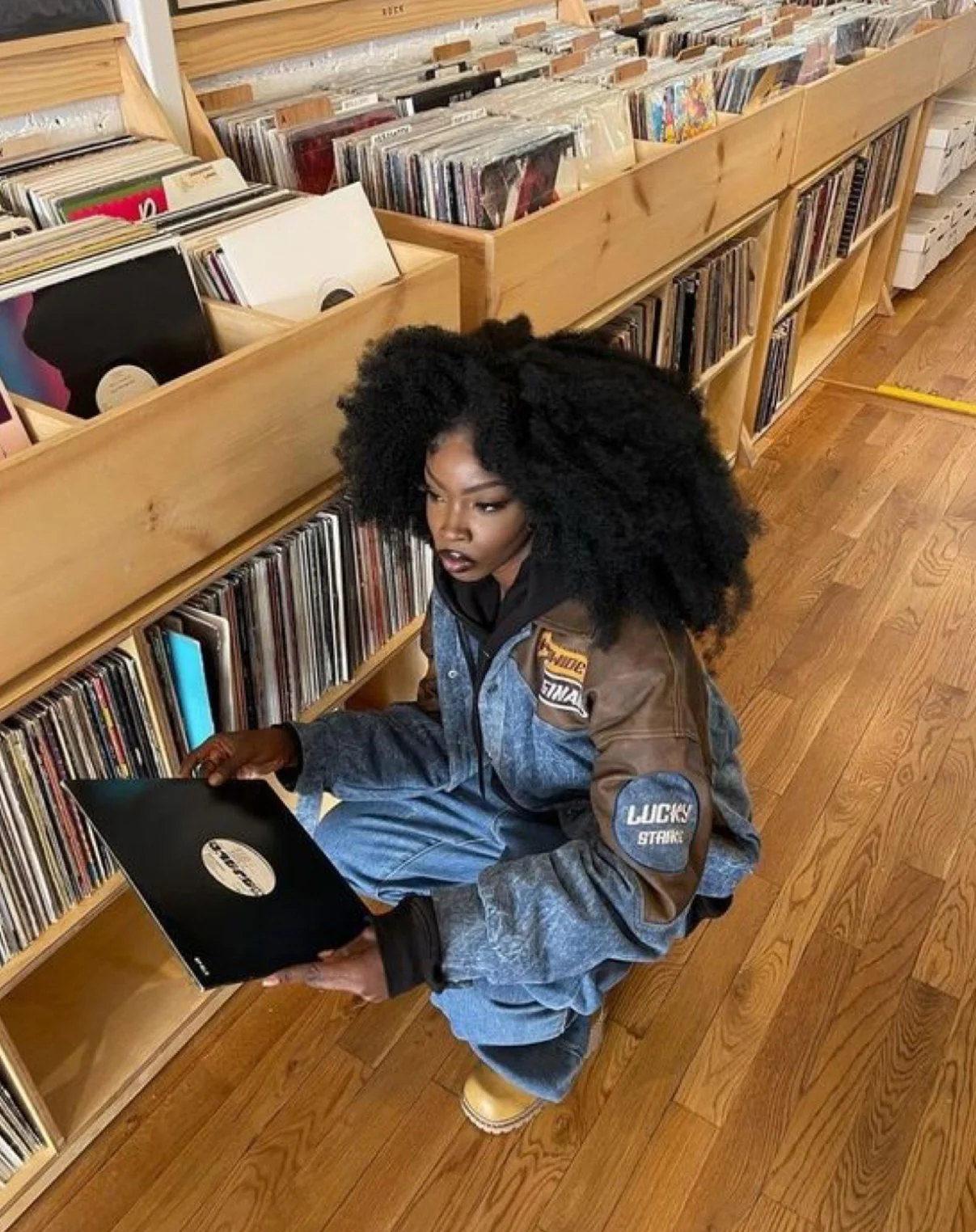
She learned that education isn’t just academic—it’s emotional.
It’s learning how to say “I need help.”
It’s learning how to speak up in rooms that weren’t built for her voice.
It’s learning how to build community, how to ask better questions, how to dream bigger.
It’s learning how to be soft in a world that demands she be hard.
It’s learning how to be still in a culture that glorifies hustle.
She learned that she’s allowed to change.
Black girls are allowed to pivot.
To reimagine.
To start over.
To want softness after years of survival.
To want structure after seasons of chaos.
To want more—or less—and not have to explain why.
She learned that growth doesn’t have to be loud.
That healing doesn’t have to be public.
That becoming isn’t always beautiful—but it’s always worth it.
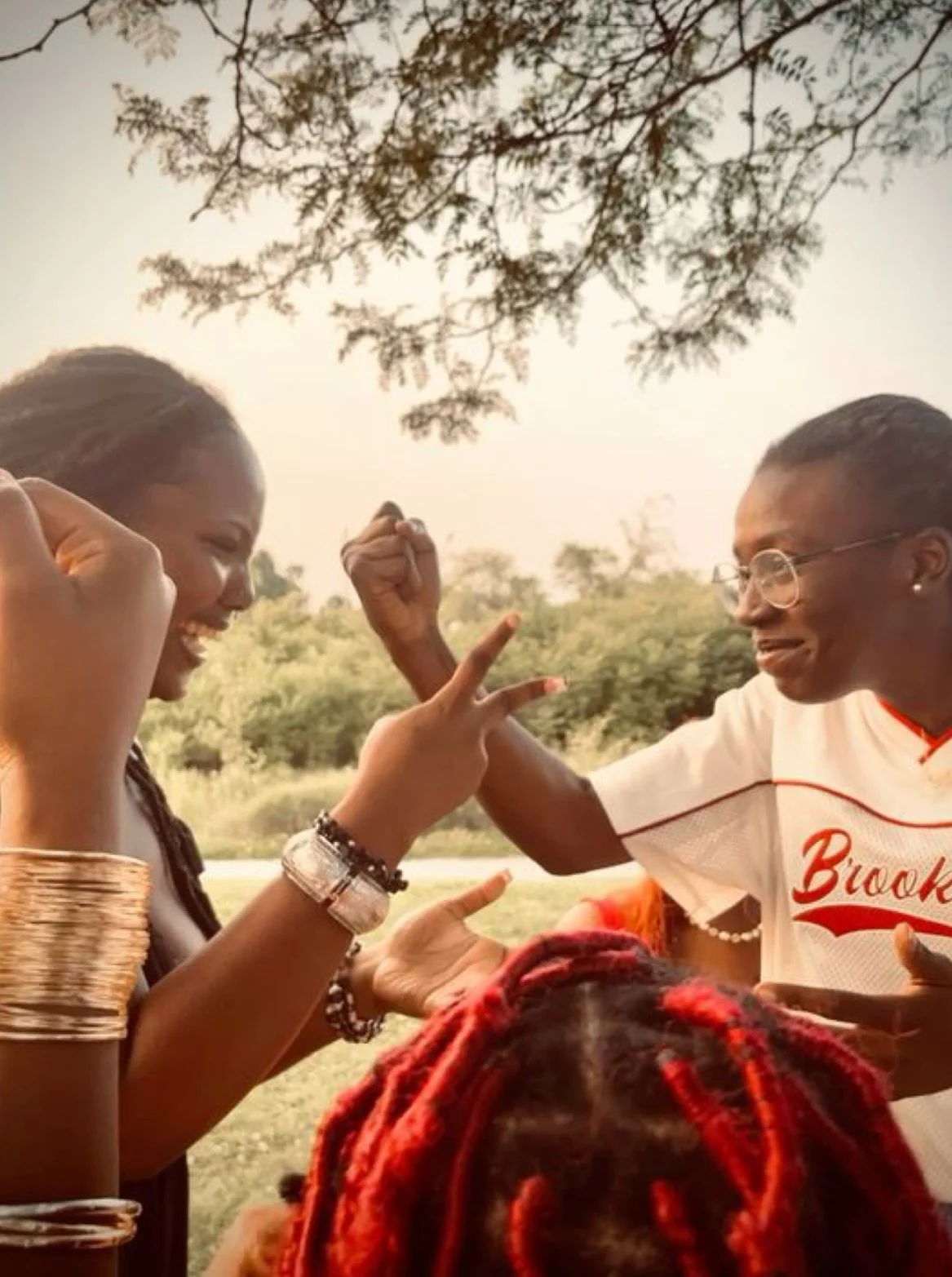
This is a love letter to the Black girls who are still figuring it out.
To the ones who are tired of being strong but still show up.
To the ones who are building new versions of themselves from scratch.
To the ones who are choosing healing, even when it’s inconvenient.
To the ones who are choosing education—not just for a career, but for confidence, community, and clarity.
As the last quarter of the year approaches, she’s walking into it with clarity.
Not because everything makes sense, but because she’s finally listening to herself. She’s honoring her boundaries, her joy, her softness, her ambition. She’s learning that she doesn’t have to be everything to everyone. She just has to be true to herself.
And if she’s still unsure? That’s okay.
Because becoming a Good Girl isn’t a destination—it’s a journey.
And she’s already on her way.
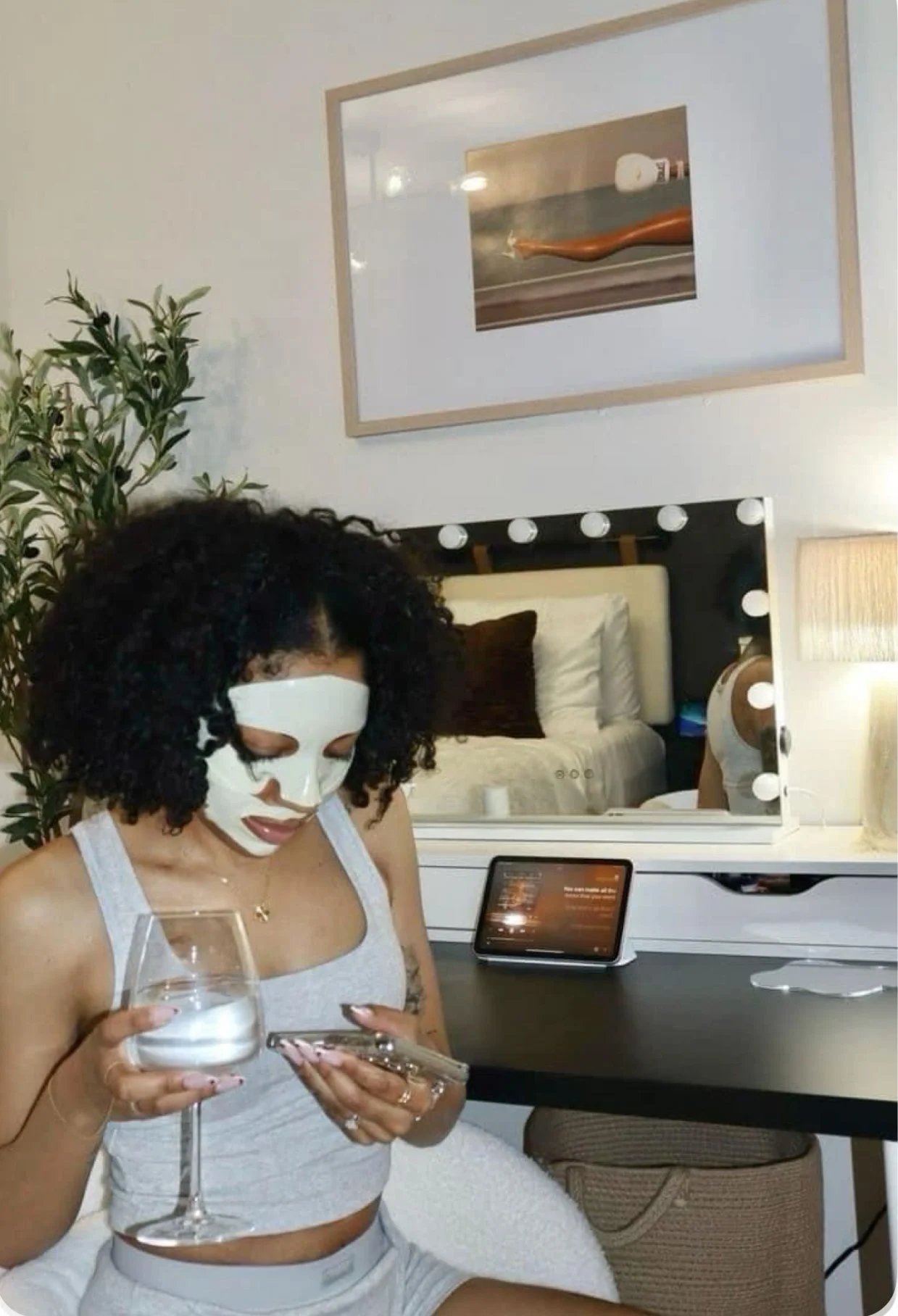
September Spotlight: Promoting Higher Education for Black Women
This month, The Good Girl Movement is proud to launch a campaign dedicated to uplifting Black women and girls in higher education. Whether she’s a first-year student navigating campus life, a senior preparing for post-grad transitions, or a working professional returning to school, her journey matters.
We’re highlighting stories of resilience, ambition, and self-discovery.
We’re sharing resources, hosting conversations, and creating space for Black women to feel seen, supported, and celebrated in academic and professional spaces.
Because education isn’t just about books, it’s about becoming— and every Black girl deserves the freedom to learn, grow, and evolve on her own terms.
Are you a Black woman in college or the workforce?
We want to hear your story. Share your journey, your wins, your pivots, and your lessons with us. DM us, tag us, or email us to be featured in our September series.
Know a campus or organization that’s doing the work?
Nominate them for a spotlight. Let’s amplify the spaces that are pouring into Black women.
Join the conversation.
Follow @TheGoodGirlMovement on Instagram and TikTok, and use the hashtag #GoodGirlsGraduate to connect with others navigating this season of growth.
This fall, we’re not just turning into Good Girls, we’re turning into scholars, leaders, and legacy-makers.
Wells Blog
Duis mollis, est non commodo luctus, nisi erat porttitor ligula, eget lacinia odio sem nec elit. Maecenas faucibus mollis interdum. Nulla vitae elit libero, a pharetra augue.